

Blog
Motorcycle Safety Guide: 10 Motorcycle Safety Tips
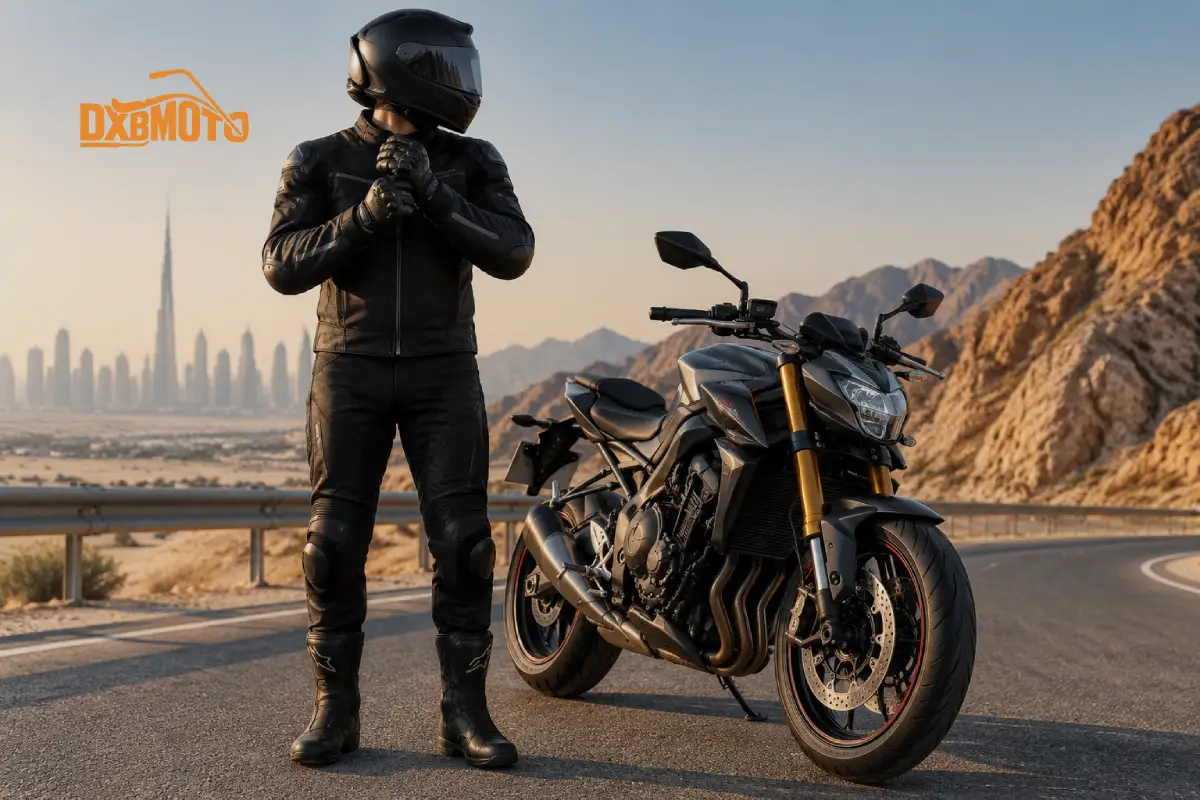
Motorcycle safety means reducing avoidable risks through proper protective gear, smart riding habits, regular motorcycle checks, and better awareness on the road. A safe rider understands the limits of the motorcycle, prepares before every ride, and knows how to react to changing road conditions.
At DXB Moto, we believe every rider should have the right knowledge before choosing a motorcycle, upgrading their equipment, or improving their riding skills.
Are Motorcycles Dangerous?
There isn't a specific answer to this question. Motorcycles carry a higher risk of serious injury compared with cars because riders have less physical protection in a crash. However, the biggest danger isn't the motorcycle itself; it is the combination of rider mistakes, poor visibility, unsafe speed, lack of training, and ignored safety practices.
According to the National Highway Traffic Safety Administration (NHTSA), 6,228 motorcyclists were killed in traffic crashes in 2024, representing 16% of all traffic fatalities in the United States. NHTSA also reported that the motorcycle fatality rate was nearly 27 times higher than the passenger car occupant fatality rate per 100 million vehicle miles traveled.
But these numbers do not mean motorcycles are automatically unsafe. They show that motorcycles require a different approach to safety. A rider who uses proper gear, maintains the motorcycle, understands defensive riding, and respects road conditions can significantly reduce avoidable risks.
10 Motorcycle Safety Tips Every Rider Should Follow
Safe motorcycle riding is not about avoiding all risks. It is about building better habits, understanding your bike, and making smarter decisions before and during every ride.
These motorcycle safety rules help riders reduce common risks and stay more confident on the road.
Motorcycle Safety Checklist
1. Always Wear Proper Protective Gear
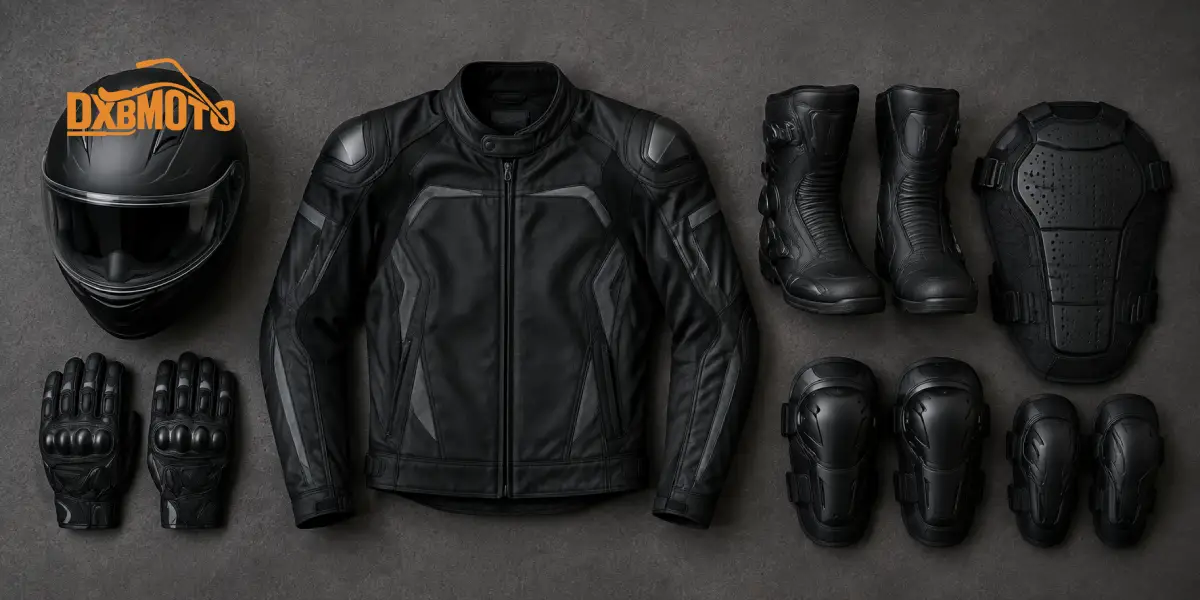
Protective gear is one of the most important parts of motorcycle safety. A certified helmet, riding gloves, a protective jacket, boots, and armored clothing can reduce injury severity in a crash.
Choosing the right motorcycle accessories isn't just about improving the riding experience; it is an important step toward protecting yourself on every ride.
2. Ride Within Your Skill Level
Choose a motorcycle that matches your experience and avoid riding beyond your current abilities.
Good riders focus on control, not speed.
3. Stay Aware of Your Surroundings
Always watch for changing traffic, blind spots, road hazards, and unexpected movements from other vehicles.
A rider who sees danger early has more time to react.
4. Keep a Safe Following Distance
Following too closely reduces reaction time.
Leave enough space to brake safely, especially in heavy traffic or poor road conditions.
5. Make Yourself Visible
Many motorcycle accidents happen because other drivers miss riders.
Avoid blind spots, position yourself properly, and make sure your lights and signals work correctly.
6. Maintain Your Motorcycle Regularly
A motorcycle in poor condition can create unnecessary safety risks.
Check important components such as:
- Brakes
- Tires
- Lights
- Fluids
- Chain
Using reliable motorcycle spare parts when replacing worn components helps maintain better control, performance, and reliability.
7. Check Your Tires Before Riding
Tires directly affect grip, braking, and stability.
Before every ride, check tire pressure, visible damage, and tread condition.
8. Learn Proper Braking Techniques
Brake performance directly affects stopping distance and rider control. Checking brake condition and replacing worn components, including motorcycle brake pads, is an important part of staying safe.
9. Adjust Riding for Road Conditions
Rain, extreme heat, poor visibility, and damaged roads can increase motorcycle risks.
Always adjust your speed and riding style to the environment.
10. Keep Improving Your Riding Skills
Experienced riders continue learning.
Practicing emergency braking, defensive riding, and better motorcycle control helps reduce avoidable mistakes.
What Safety Gear Does Every Motorcycle Rider Need?
Motorcycle safety gear helps reduce injury severity by protecting the body's most vulnerable parts during a crash. A helmet, gloves, protective clothing, and proper riding boots are essential for every rider.
For riders looking to improve their protection, choosing the right motorcycle accessories can make every ride safer and more comfortable.
The most important safety gear includes:
- Full-face helmet
- Riding gloves
- Motorcycle jacket
- Riding boots
- Protective pants
| Safety Gear | Why It Matters |
|---|---|
| Full-face Helmet | Protects the head and face from serious impact injuries. |
| Riding Gloves | Protects hands from impact, abrasion, and weather exposure. |
| Motorcycle Jacket | Helps protect the upper body from impact and road abrasion. |
| Riding Boots | Provides protection and support for feet and ankles. |
| Protective Pants | Adds protection for knees, hips, and legs. |
How Motorcycle Maintenance Improves Rider Safety
A well-maintained motorcycle is a safer motorcycle. Mechanical issues such as worn brakes, damaged tires, or low fluid levels can affect handling, braking performance, and rider confidence.
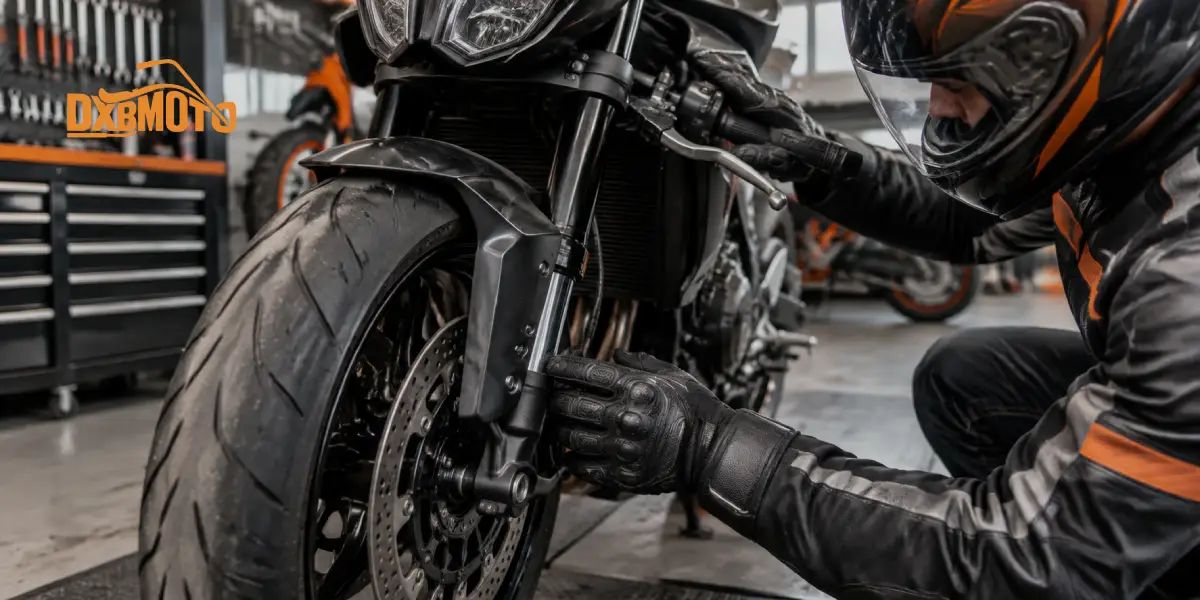
Regular maintenance helps riders identify problems before they become dangerous. Before every ride, important components should be checked to ensure the motorcycle is ready for the road.
Pre-Ride Motorcycle Safety Check
Key maintenance areas that directly affect safety include:
- Brakes: Worn brake components can reduce stopping performance, especially during emergencies.
- Tires: Proper tire pressure, tread condition, and overall condition are essential for grip, stability, and control. Regularly checking your motorcycle tires helps prevent unexpected handling issues.
- Lights and signals: Working headlights, brake lights, and indicators improve visibility and help other road users recognize your position.
- Fluids and controls: Checking oil levels, controls, and other important components helps prevent mechanical problems during a ride.
Regular inspections not only improve motorcycle performance; they also reduce avoidable risks and help riders stay safer on the road.
Motorcycle Safety Tips for Beginners
Starting to ride a motorcycle requires more than learning how to control the bike. New riders need to develop safe habits, understand their limits, and gradually build confidence on the road.
Many beginner mistakes happen because riders focus too much on speed or choose a motorcycle that does not match their experience level. Learning proper control, braking techniques, and hazard awareness should always come before performance.
Beginner riders should focus on these safety habits:
Start with proper training
Learning from experienced instructors helps riders understand braking, cornering, and emergency situations.
Practice before riding in traffic
Build confidence in safe environments before dealing with busy roads.
Avoid carrying passengers too early
Extra weight can affect balance, braking distance, and motorcycle handling.
Ride defensively
Always stay alert because other drivers may not notice motorcycles.
Improve gradually
Increase speed and riding difficulty as your experience grows.
Becoming a safer rider takes time. Beginners should focus on improving control, awareness, and decision-making rather than riding faster.
Motorcycle Safety in Dubai
Riding a motorcycle in Dubai offers a unique experience, but local conditions require extra attention. High temperatures, busy roads, and long periods of direct sunlight can affect both rider comfort and motorcycle performance.
Important safety considerations for Dubai riders include:
Manage extreme heat
High temperatures can increase rider fatigue and make long rides more challenging. Stay hydrated and take regular breaks, especially during summer.
Check tire condition regularly
Hot road surfaces can affect tire performance over time. Maintaining correct tire pressure and checking tire condition helps improve grip and stability.
Stay visible in heavy traffic
Dubai roads can include fast-moving vehicles and multiple lanes. Proper positioning and awareness help riders remain visible to other drivers.
Wear protective gear in every season
Even in hot weather, helmets, gloves, and protective clothing remain essential for rider safety.
Choosing the right motorcycle also plays an important role in safety. Beginners and experienced riders should select a bike that matches their riding style, experience level, and daily needs. Exploring available motorcycles for sale in Dubai can help riders find a bike that fits their needs.
Are Motorcycles Safe for Everyday Riding?
Yes. Millions of people ride motorcycles every day for commuting, touring, and recreation. The key difference between a risky rider and a prepared rider is not the motorcycle itself; it is the decisions made before and during every ride.
A safe rider:
- wears proper protective equipment
- keeps the motorcycle maintained
- stays visible
- rides according to conditions
- continuously improves riding skills
Motorcycle safety is not about removing all risk. It is about understanding risk and managing it correctly.
FAQ
Are motorcycles dangerous?
Motorcycles can be riskier than cars because riders have less physical protection during crashes. However, proper safety gear, defensive riding, regular maintenance, and responsible habits can significantly reduce risks.
What is the most important motorcycle safety rule?
The most important motorcycle safety rule is to always ride with proper protection and awareness. Wearing a certified helmet, maintaining control, and anticipating road hazards are essential for safer riding.
What safety gear should every motorcycle rider wear?
Every rider should wear a full-face helmet, riding gloves, protective jacket, riding boots, and suitable protective clothing to reduce injury severity during accidents.
How can I make my motorcycle safer?
You can make your motorcycle safer by maintaining important components such as tires, brakes, lights, and controls, while also replacing worn parts when necessary.
Is motorcycle riding safe for beginners?
Motorcycle riding can be safe for beginners when they receive proper training, choose a suitable motorcycle, and gradually improve their riding skills and confidence.

DXB Moto Team combines technical content writing experience with practical knowledge of motorcycle parts, fitment checks and rider needs. The team focuses on clear buying guides, spare-parts references, maintenance topics and real-world motorcycle use in Dubai and across the UAE.