

Blog
How Long Do Motorcycle Tires Last? When to Change Them
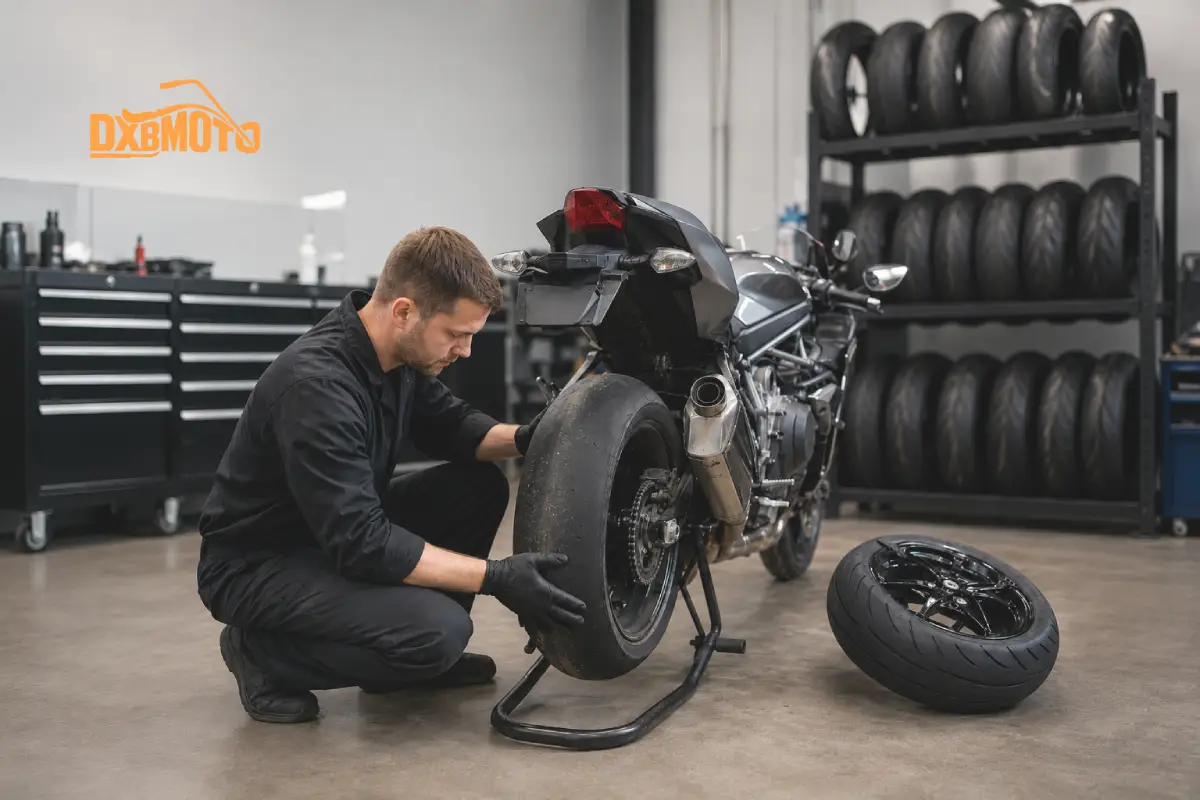
How long do motorcycle tires last? Motorcycle tires usually last between 5,000 and 15,000 miles or about 5 to 6 years, but mileage and age must both be checked before replacement. Knowing when to change motorcycle tires depends on tread depth, tire age, cracks, pressure loss, riding style, motorcycle type, and how the bike feels on the road. A rear tire often wears faster because it handles acceleration, engine torque, and much of the load. If the tire has reached the wear bars, shows sidewall cracks, has a bulge, loses pressure often, or feels slippery, it should be inspected immediately and replaced if unsafe.
Motorcycle Tire Replacement Checklist
Use this simple checklist to decide whether your motorcycle tire should be replaced now, inspected before riding, or planned for replacement soon.
Replace Now
- Tread reaches the wear bars or the tire is close to bald.
- Tread depth is too low for safe grip, braking, or wet-road control.
- Bulge, bubble, or deformation appears on the tire.
- Deep cuts or exposed cords are visible.
- The tire is 10 years old, even if the tread still looks usable.
Inspect First
- Sidewall cracks or dry rot show the rubber may be aging.
- The tire keeps losing pressure from a puncture, valve, rim, or bead issue.
- Nails, screws, or punctures are found in the tread area.
- Uneven wear, cupping, or scalloping changes the tire shape.
- The bike feels slippery, vague, or unstable while riding.
Replace Soon
- The tire is more than 5 years old and needs yearly professional inspection.
- The tire is around 6 years old and used for regular road riding.
- The rear tire is squared off and the bike feels harder to lean.
- A previous repair looks weak, leaks, cracks, or bulges.
- A long ride is coming up and the tire is already close to its limit.
Signs It’s Time to Change Your Motorcycle Tires
Mileage can help you estimate tire life, but the tire’s actual condition gives the final answer. A motorcycle tire should be replaced when it can no longer provide safe grip, braking, cornering, pressure stability, or predictable handling.
Replace or inspect the tire immediately if you notice any of these signs:
Tread has reached the wear bars ⌄
When the tread is level with the small raised bars inside the grooves, the tire has reached its wear limit.
Tread depth is below the safe limit ⌄
Low tread reduces grip, braking performance, and water clearance, even before the tire looks completely bald.
Cracks appear on the sidewall or between tread blocks ⌄
Cracking usually means the rubber is drying, hardening, or aging.
The tire has a bulge, bubble, or visible deformation ⌄
This may point to internal tire damage, belt separation, or sidewall weakness.
The tire keeps losing air pressure ⌄
Repeated pressure loss can come from a puncture, valve stem issue, rim leak, bead problem, or failed repair.
There are cuts, nails, punctures, or exposed cords ⌄
Small punctures may sometimes be repairable, but exposed cords or sidewall damage usually mean replacement.
The tire has uneven wear, cupping, or scalloping ⌄
This can come from incorrect pressure, worn suspension, poor balance, aggressive braking, or alignment issues.
The rear tire has become squared off ⌄
A flat center profile can make the bike harder to lean and less stable when turning.
The bike feels slippery, vague, unstable, or harder to lean ⌄
The cause may be old rubber, low tread, wrong pressure, uneven wear, contamination, or hidden damage.
The tire is too old ⌄
Old rubber can become hard and less grippy even when the tread still looks usable.
A previous repair looks weak or unreliable ⌄
If the repaired area leaks, cracks, bulges, or looks damaged, the tire should be inspected before riding.
You are planning a long ride and the tire is close to its limit ⌄
Do not start a long trip with questionable tread, age, pressure, or tire condition.
Tire Age: How Old Is Too Old for Motorcycle Tires?
Motorcycle tires age even when they are not used. Heat, sunlight, oxygen, moisture, and poor storage can make the rubber harder, drier, and less flexible. That means a tire can still have visible tread but no longer provide safe grip.
A simple rule is:
- After 5 years: have the tire inspected every year by a professional. Michelin recommends an annual professional inspection once tires have been in use for 5 years or more.
- Around 6 years: start planning replacement, especially if the motorcycle is used regularly, ridden at highway speeds, or the rubber shows cracks or signs of hardness. Harley-Davidson notes that tires more than 6 years old are commonly recommended for replacement.
- After 10 years: replace the tire, even if the tread still looks usable. Michelin advises replacing tires after 10 years, even when they have not reached the tread wear limit.
To check tire age, look for the DOT date code on the sidewall. The last four digits show the production week and year.
For example, 2323 means the tire was made in the 23rd week of 2023, and 4519 means it was made in the 45th week of 2019.
Tread depth is important, but it is not enough by itself.
Always check tire age together with cracks, hardening, pressure loss, old puncture repairs, and changes in grip or handling.
How long do motorcycle tires last? Motorcycle Tire Mileage Chart
Most motorcycle tires last somewhere between 5,000 and 15,000 miles before replacement, but the exact number depends on tire type, motorcycle weight, riding style, road surface, load, and tire pressure.
Use this chart as a planning guide, not as a fixed replacement rule. The mileage ranges below show the average tire lifespan before replacement.
If the tire shows wear bars, cracks, pressure loss, deformation, or poor grip, replace it even if the mileage is still low.
| Motorcycle Tire Type | Rear Tire Lifespan Before Replacement | Front Tire Lifespan Before Replacement |
|---|---|---|
| Sport / Supersport Tires | 3,000–7,000 miles | 5,000–9,000 miles |
| Sport Touring Tires | 6,000–12,000 miles | 8,000–15,000 miles |
| Touring / Cruiser Tires | 8,000–18,000 miles | 10,000–20,000 miles |
| Adventure / Dual Sport Tires | 4,000–10,000 miles | 6,000–12,000 miles |
| Scooter Tires | 5,000–12,000 miles | 7,000–14,000 miles |
| Track / Racing Tires | Very short lifespan | Very short lifespan |
Important: replace the tire earlier if it reaches the wear bars, shows cracks, loses pressure, has deformation, or feels unsafe on the road.
Front Tire vs Rear Tire: Which One Wears Faster?
The rear motorcycle tire usually wears faster than the front tire.
It handles acceleration, engine torque, rider weight, passenger load, and most of the driving force. On sport bikes and high-torque motorcycles, the rear tire can wear much faster than expected.
The front tire usually lasts longer, but it is just as important. It controls steering, braking stability, and front-end grip. A worn or old front tire can make the bike feel vague, nervous, or unsafe when braking or leaning into a corner.
In many cases, riders replace the rear tire more often than the front. That is normal. But the front tire should never be ignored just because it still has more tread. Check both tires for age, cracks, uneven wear, pressure loss, and changes in handling.
Should You Replace One Motorcycle Tire or Both?
You do not always need to replace both motorcycle tires at the same time. In many cases, the rear tire wears faster, so riders replace the rear tire more often than the front.
Replacing only one tire can be fine if the other tire is still in good condition, has safe tread depth, is not too old, has no cracks, and matches the motorcycle’s use.
Replace both tires if:
- Both tires are old
- Both are close to the wear limit
- The front tire has cracks, cupping, or uneven wear.
- The tires are mismatched in type, purpose, or performance level
- You bought a used motorcycle and do not know the tire history.
- You are preparing the bike for regular highway riding or long-distance use.
Never ignore the front tire just because the rear tire wears faster. The front tire controls steering feel, braking stability, and front-end grip.
If the front tire is old, dry, cracked, or unevenly worn, it can make the motorcycle feel unsafe even with a new rear tire.
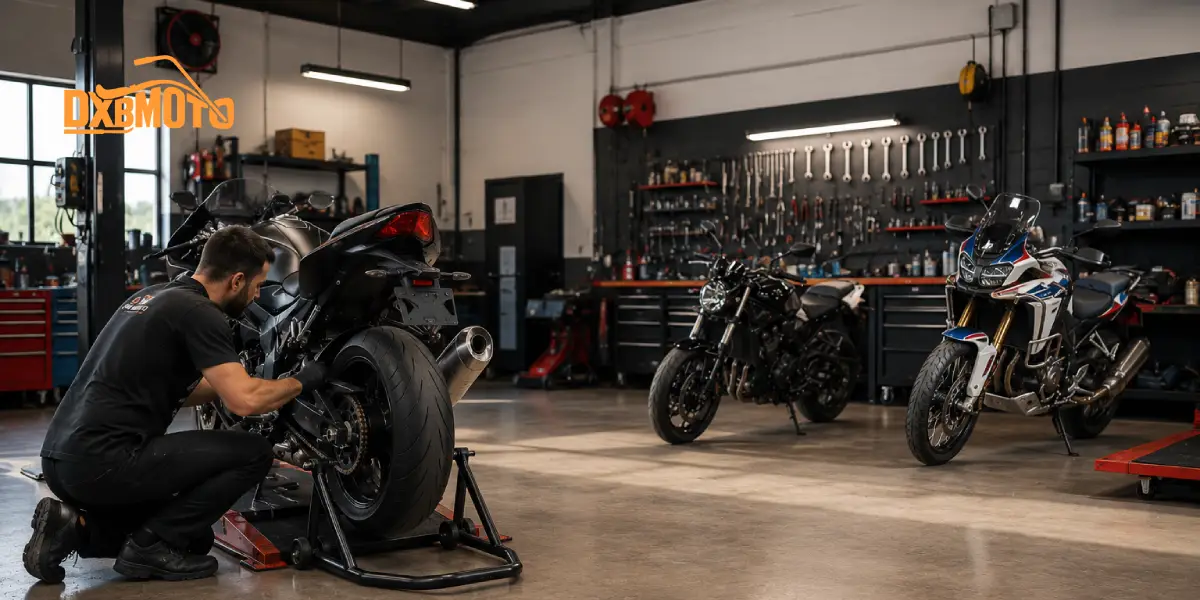
What Affects Motorcycle Tire Life?
Motorcycle tire life is not only about mileage. Two riders can use the same tire and get very different results. The biggest factors are riding style, tire pressure, motorcycle type, load, road surface, and maintenance.
- Riding style: hard acceleration, aggressive braking, and fast cornering wear tires faster.
- Tire pressure: underinflated tires build more heat, wear unevenly, and can reduce grip.
- Motorcycle weight: Heavier motorcycles usually put more stress on tires.
- Engine torque: powerful bikes can wear rear tires faster, especially with frequent hard throttle.
- Tire compound: soft sport tires grip well but usually wear faster than touring tires.
- Load: passengers, luggage, and top boxes increase heat and tire stress.
- Road surface: rough asphalt, sharp debris, gravel, and damaged roads can shorten tire life.
- Storage: sunlight, heat, moisture, and long parking periods can age the rubber.
- Maintenance: poor suspension, wheel imbalance, and ignored pressure checks can cause uneven wear.
The easiest habit is to check tire pressure when the tires are cold.
Motorcycle tires are sensitive to pressure because the contact patch is small, and tire shape directly affects handling.
How to Check Motorcycle Tires at Home
You do not need to be a mechanic to spot the first warning signs. A quick tire check before regular riding can prevent bigger problems later.
Use this simple home inspection:
Check tire pressure cold ⌄
Measure pressure before riding, not after the tire is hot.
Look at the wear bars ⌄
If the tread is level with the wear bars, replace the tire.
Check tread depth ⌄
Low tread means less grip, especially during braking or wet riding.
Inspect the sidewalls ⌄
Look for cracks, cuts, bulges, bubbles, or dry rot.
Look for punctures ⌄
Check for nails, screws, glass, or sharp debris.
Check for uneven wear ⌄
Cupping, scalloping, or flat spots can affect handling.
Read the tire date code ⌄
Old tires can be unsafe even with visible tread.
Watch for pressure loss ⌄
Repeated air loss means the tire, valve, rim, or repair needs inspection.
Feel the ride ⌄
If the bike feels slippery, vague, unstable, or harder to lean, inspect both tires.
If you are unsure, do not guess. A motorcycle tire can look acceptable to a new rider but still be unsafe because of age, internal damage, or uneven wear.
Tire Life by Motorcycle Type
Different motorcycles use tires in different ways. A sport bike, scooter, cruiser, and adventure bike will not wear tires at the same rate.
- Sport bikes: usually wear rear tires faster because of strong acceleration, soft compounds, and aggressive cornering. Many sport tires need replacement sooner than touring tires.
- Touring motorcycles: usually get longer tire life because touring tires are built for mileage, load, and highway stability.
- Cruisers: can get good tire mileage, but heavy weight and high torque can still wear the rear tire quickly.
- Adventure motorcycles: tire life depends on the tread pattern. More road-focused adventure tires usually last longer than aggressive off-road-style tires.
- Scooters: scooter tires often deal with city traffic, frequent braking, and short trips. The rear tire usually wears faster.
- Off-road motorcycles: dirt and knobby tires can wear quickly on pavement. If used mostly on the road, the knobs may round off or tear.
- Track motorcycles: racing and track tires are built for grip, not long life. They should be inspected often and replaced much sooner than regular street tires.
The tire that lasts longest is not always the best tire for every rider. The right tire depends on the motorcycle, riding style, road conditions, and how much grip the rider needs.
Dubai Conditions: Do Motorcycle Tires Wear Faster in Dubai?
Dubai riding conditions can make tire inspection more important. Heat, hot asphalt, long highway routes, dust, and direct sun exposure can all affect motorcycle tires.
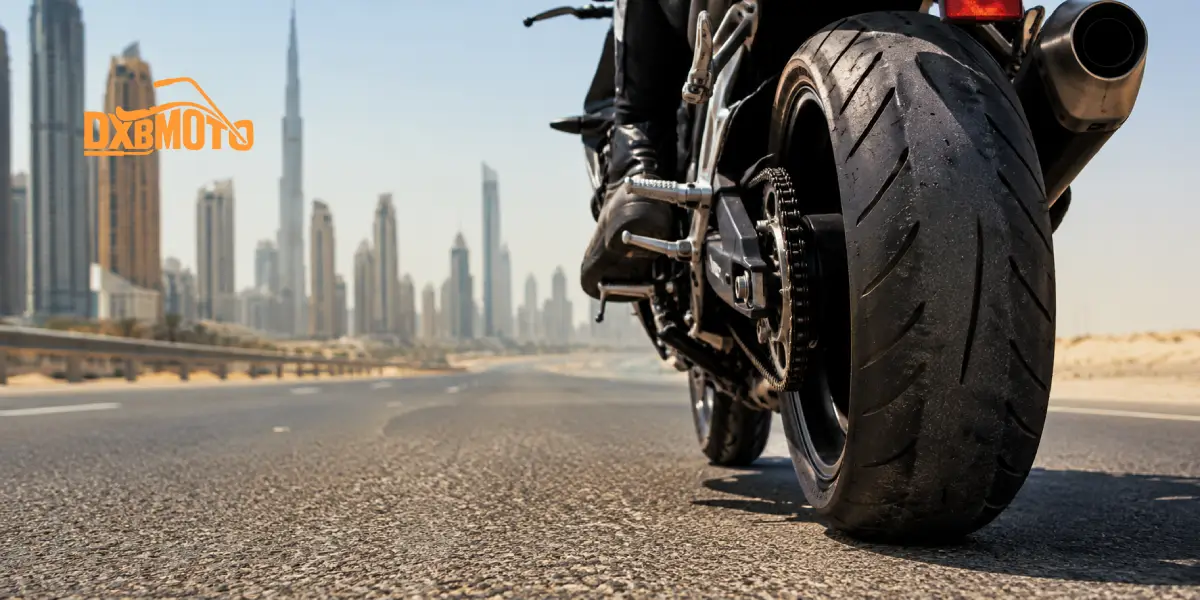
High road temperature can increase tire stress, especially when the bike is used at highway speed or with a passenger. Direct sunlight and outdoor parking can also dry and age the rubber faster over time.
Dust and sand near road edges can reduce grip, especially when leaning, braking, or turning at low speed. Long straight roads can also wear off the rear tire faster because the center of the tire does most of the work.
For riders in Dubai or people who are looking for motorcycle for sale in Dubai, the safest approach is to check tires more often, especially during hot months, before highway rides, and before long-distance trips. A tire may still have mileage left, but it still needs inspection because of age, heat exposure, cracking, or pressure loss.
Motorcycle Tire Options at DXB Moto
DXB Moto spare parts for sale in Dubai section include performance-focused motorcycle tires for riders who want better grip, sharper handling, and more confidence on the road.
Current listed tire options include Metzeler Sportec M7 RR, Pirelli Diablo Rosso II, Pirelli Diablo Rosso III, Pirelli Diablo Rosso IV, Pirelli Diablo Supercorsa V3 SP, and Pirelli Diablo Supercorsa V4 SP.
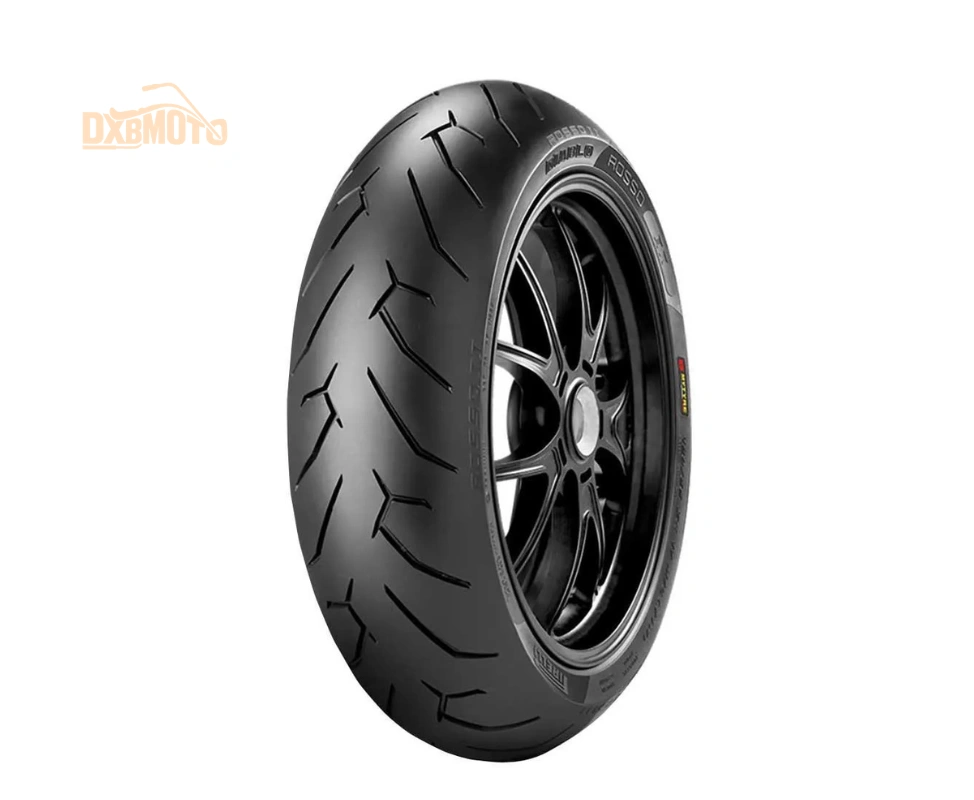
PIRELLI Diablo Rosso II
490,00 د.إ – 690,00 د.إPrice range: 490,00 د.إ through 690,00 د.إ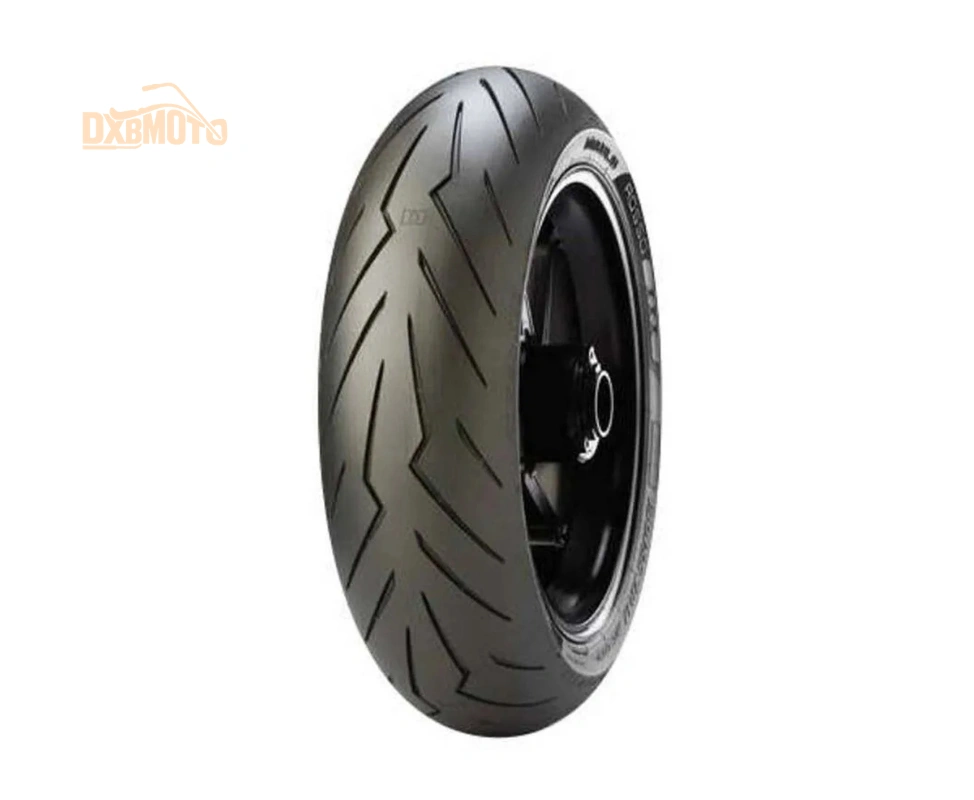
PIRELLI Diablo Rosso III
590,00 د.إ – 840,00 د.إPrice range: 590,00 د.إ through 840,00 د.إ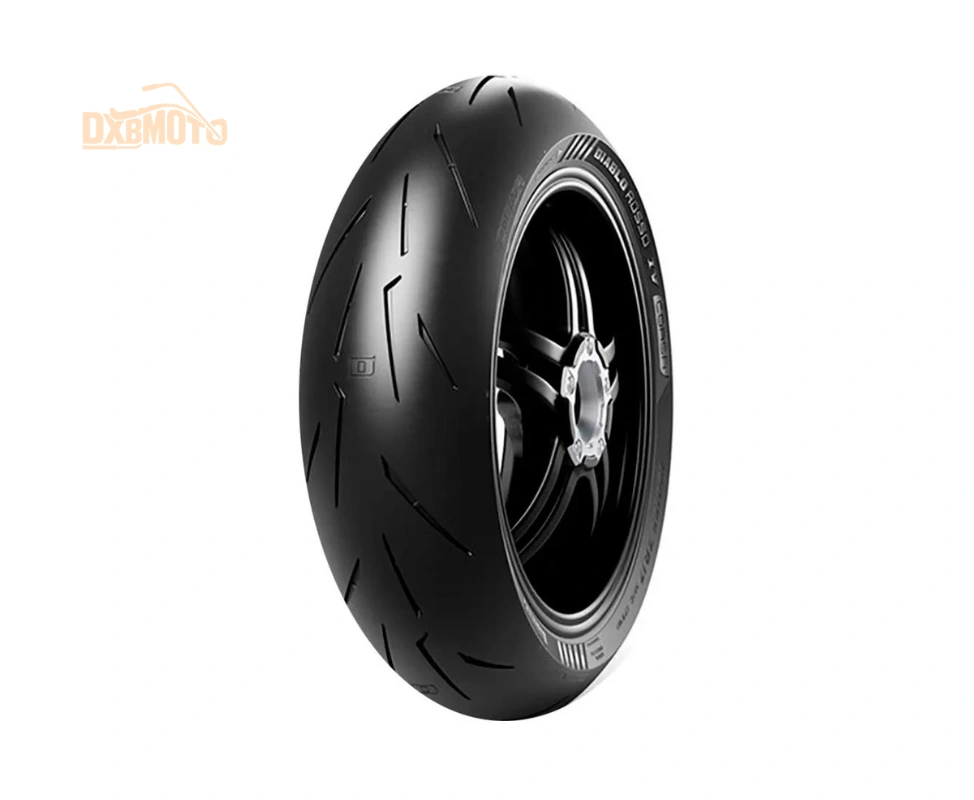
Pirelli Diablo Rosso IV
970,00 د.إ – 990,00 د.إPrice range: 970,00 د.إ through 990,00 د.إ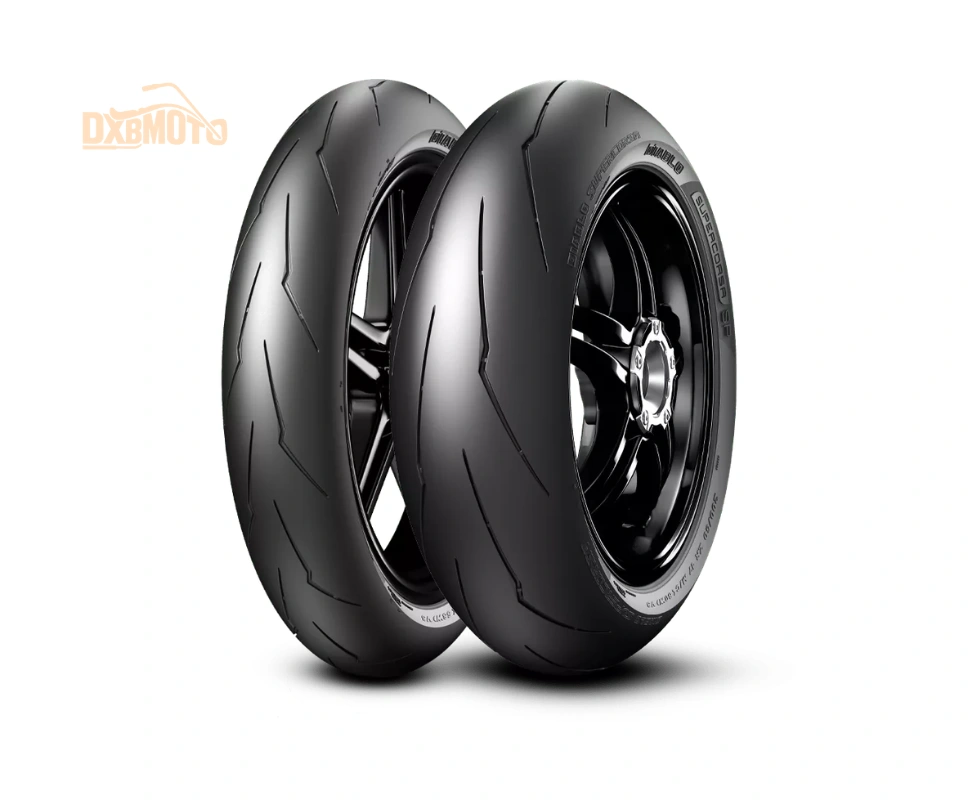
Pirelli Diablo Supercorsa V3 SP
670,00 د.إ – 980,00 د.إPrice range: 670,00 د.إ through 980,00 د.إ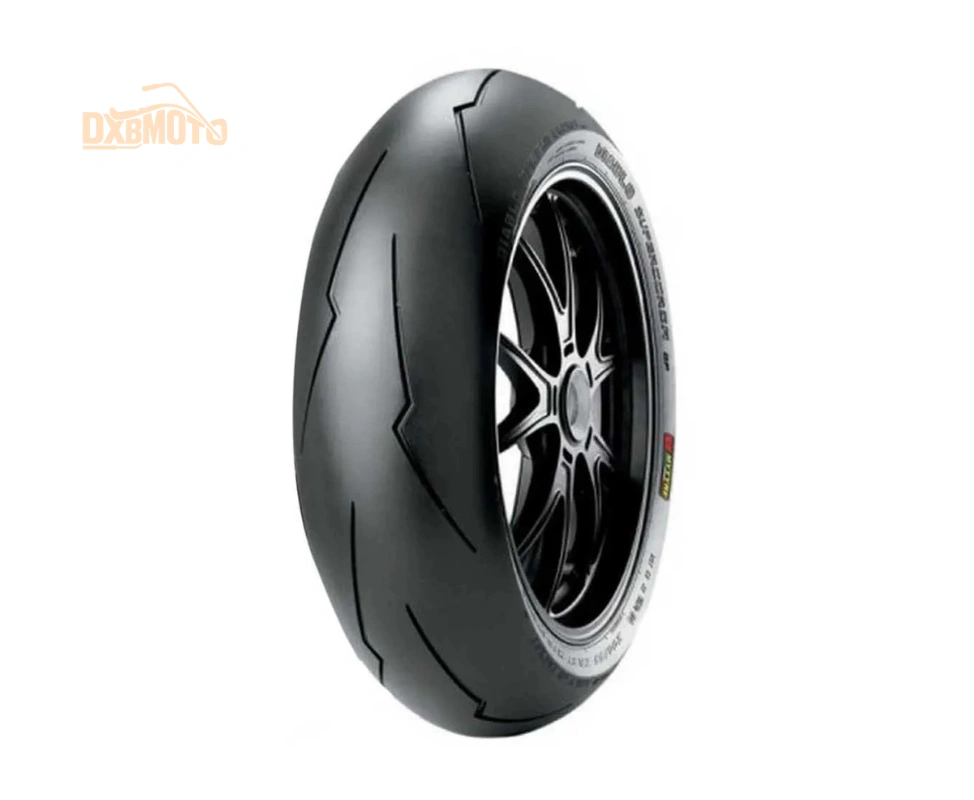
Pirelli Diablo Supercorsa V4 SP
740,00 د.إ – 1.100,00 د.إPrice range: 740,00 د.إ through 1.100,00 د.إ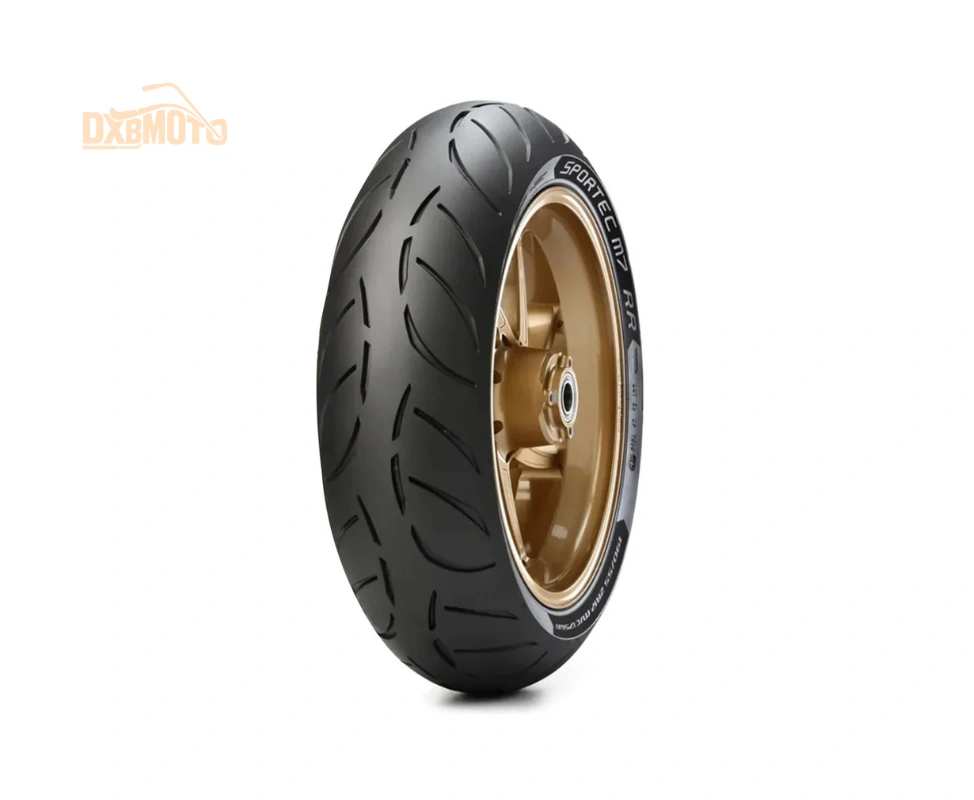
Metzeler Sportec M7 RR
520,00 د.إ – 750,00 د.إPrice range: 520,00 د.إ through 750,00 د.إThese are not long-life commuter tires. Most of them are sport, hypersport, or street-performance tires, which means they are built more for grip, cornering feel, braking confidence, and responsive handling than maximum mileage.
For riders comparing tire life, this matters:
- Metzeler Sportec M7 RR: a sport tire suitable for riders who want strong road grip with more everyday usability than extreme track-focused rubber.
- Pirelli Diablo Rosso II / III / IV: street sport tires for riders who want a balance of road performance, lean confidence, and daily usability.
- Pirelli Diablo Supercorsa V3 SP / V4 SP: high-performance street and track-oriented tires, usually chosen for maximum grip rather than long lifespan.
If your main goal is the longest possible tire life, a touring or sport-touring tire may last longer.
If your goal is a stronger grip and sharper handling, the tire options listed at DXB Moto make more sense for sport bikes, naked bikes, and performance-focused riders.
Final Thoughts
Before buying a motorcycle tire, always check the correct tire size, speed rating, load rating, production date, front/rear compatibility, and whether the tire matches your riding style. A tire that is excellent for aggressive riding may wear too quickly for daily commuting, while a long-mileage tire may not give the same grip feel on a sport bike.
FAQ
How long do motorcycle tires last?
Most motorcycle tires last between 5,000 and 15,000 miles before replacement. Sport tires usually wear faster, while touring and cruiser tires often last longer. Tire life depends on riding style, tire pressure, motorcycle weight, road surface, tire compound, and maintenance.
When should I change motorcycle tires?
You should change motorcycle tires when the tread reaches the wear bars, tread depth is too low, cracks appear, the tire has a bulge, it keeps losing pressure, cords are exposed, or the bike feels slippery or unstable. Tire age also matters, even if the tread still looks usable.
How many years do motorcycle tires last?
Motorcycle tires should be inspected carefully after about 5 years of use. Around 6 years, riders should start planning replacement, especially for regular road use. At 10 years, the tire should be replaced even if the tread still looks good.
Can a motorcycle tire be unsafe even with good tread?
Yes. A motorcycle tire can still have visible tread but be unsafe because of age, cracks, hard rubber, internal damage, repeated pressure loss, weak previous repairs, or uneven wear. Tread depth is important, but it is not the only safety factor.

DXB Moto Team combines technical content writing experience with practical knowledge of motorcycle parts, fitment checks and rider needs. The team focuses on clear buying guides, spare-parts references, maintenance topics and real-world motorcycle use in Dubai and across the UAE.