
Blog
10 Best Electric Motorcycles in 2026
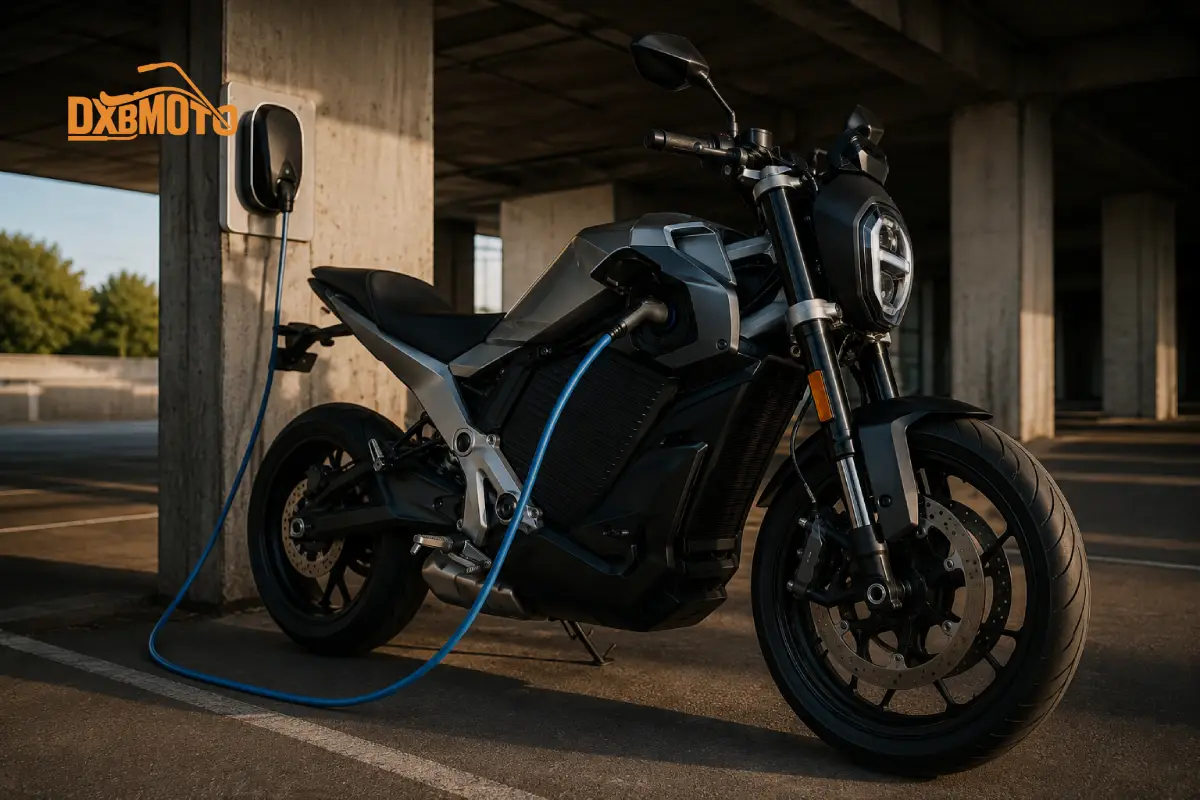
Electric motorcycles are a strong choice for city riders, daily commuters, and anyone who values instant acceleration, lower routine maintenance, and home charging. They are less suitable for riders who regularly cover long highway distances, cannot charge at home or work, or need quick refuelling during trips.
The best electric motorcycle depends on how you ride. Models such as the Zero S and Can-Am Pulse suit everyday road use, while the Zero SR/F and LiveWire ONE focus more on performance. Adventure and mixed-surface riders may prefer the Zero DSR/X or Can-Am Origin, while the Stark VARG EX is designed for serious off-road use.
This guide on DXB Moto compares the leading electric motorcycles, explains range and charging realistically, and helps you decide whether switching from petrol makes sense for your riding style.
What Is an Electric Motorcycle?
An electric motorcycle uses a rechargeable battery and electric motor instead of a petrol engine, fuel tank, exhaust system, and conventional multi-speed gearbox. Most models use a single-speed transmission, so there is usually no clutch or manual gear shifting.
The battery stores energy, while the controller regulates how much power reaches the motor. Turning the throttle delivers torque almost immediately, which creates the smooth and responsive acceleration electric motorcycles are known for.
They still use familiar motorcycle components such as tyres, brakes, suspension, wheels, and a belt or chain drive. The main difference is the powertrain, which contains fewer moving parts than a petrol engine.
Electric Motorcycle vs E-Bike vs Electric Scooter
Electric motorcycles are designed for normal road riding, e-bikes are better for shorter and slower trips, while electric scooters focus on practical city commuting.
| Feature | Electric Motorcycle | E-Bike | Electric Scooter |
|---|---|---|---|
| Main use | Road riding and commuting | Short urban trips and cycling | Urban commuting |
| Power | Medium to very high | Usually low | Low to high |
| Typical speed | Suitable for normal road speeds | Usually limited by local law | Depends on the model |
| Frame design | Traditional motorcycle frame | Bicycle-style frame | Usually a step-through frame |
| Pedals | No | Usually yes | No |
| Transmission | Usually single-speed | Bicycle gears may be fitted | Automatic |
| Registration | Usually required | Often not required | Required for road-going models |
| Licence | Motorcycle licence usually required | Often not required | Depends on power and local law |
| Storage | Usually limited | Very limited | Often includes built-in storage |
| Best suited to | Road and performance riders | Short, low-speed journeys | Practical city travel |
Some lightweight electric models sit between an e-bike and a motorcycle. Their legal classification depends on power, maximum speed, equipment and local regulations rather than appearance alone. Riders who are still comparing naked bikes, scooters, adventure motorcycles and dual-sport models can read the DXB Moto guide to motorbike types.
How to Choose the Right Electric Motorcycle
The best electric motorcycle is the one that matches your real riding pattern, not the model with the highest claimed range or fastest acceleration. Start with daily distance, charging access, and intended use before comparing power or technology.
Calculate Your Real Daily Distance
Include the full return journey and add at least 20–30% spare range for faster riding, diversions, weather and gradual battery ageing.
Use the Highway Range
City range figures can look impressive but may fall sharply at sustained speed. Riders who regularly use motorways should compare realistic highway figures instead.
Check Where You Will Charge
Home or workplace charging makes ownership much easier. Before buying, confirm:
- Connector compatibility
- Available power supply
- 20–80% charging time
- Whether faster charging requires optional equipment
- Whether the battery can be removed for indoor charging
Match the Motorcycle to Your Riding
- Urban commuting: Can-Am Pulse, Ryvid Anthem, or BMW CE 04
- Fast road riding: LiveWire S2 Del Mar or Zero SR/F
- Touring: Energica Experia
- Adventure riding: Zero DSR/X
- Mixed road and trail use: Can-Am Origin
- Enduro and technical off-road riding: Stark VARG EX
Consider Weight and Seat Height
Battery size often adds substantial weight. Check whether you can comfortably move the motorcycle backwards, balance it at low speed, and place your feet securely on the ground.
Confirm Local Support
Before buying an imported or uncommon model, verify that local support is available for:
- Battery diagnostics
- Software updates
- Warranty claims
- Replacement charging equipment
- Body and suspension parts
- Battery or motor repairs
- Check the Battery Warranty
Compare the warranty period, mileage limit, and minimum retained capacity. Also confirm whether the warranty transfers to a second owner.
Compare the Total Ownership Cost
Electric motorcycles may reduce routine servicing and energy costs, but the purchase price, insurance, charging equipment, and long-term battery risk must also be considered.
Buyers who are still comparing electric and petrol options can browse available motorcycles for sale and assess which type better matches their normal riding distance and ownership needs.
Best Electric Motorcycles in 2026
The models below are selected to cover different types of electric riding rather than simply ranking the most powerful or expensive motorcycles. Each one is judged by its intended use, realistic range, charging practicality, weight, and main ownership compromise.
Zero S: Best for Everyday Road Riding
The Zero S feels closer to a conventional naked motorcycle than many futuristic electric alternatives. Its upright ergonomics, belt drive and adjustable suspension suit regular commuting and weekend road riding, while the low seat makes it more manageable for a wider range of riders. The main concern is its substantial weight when parking or making tight, slow-speed turns.
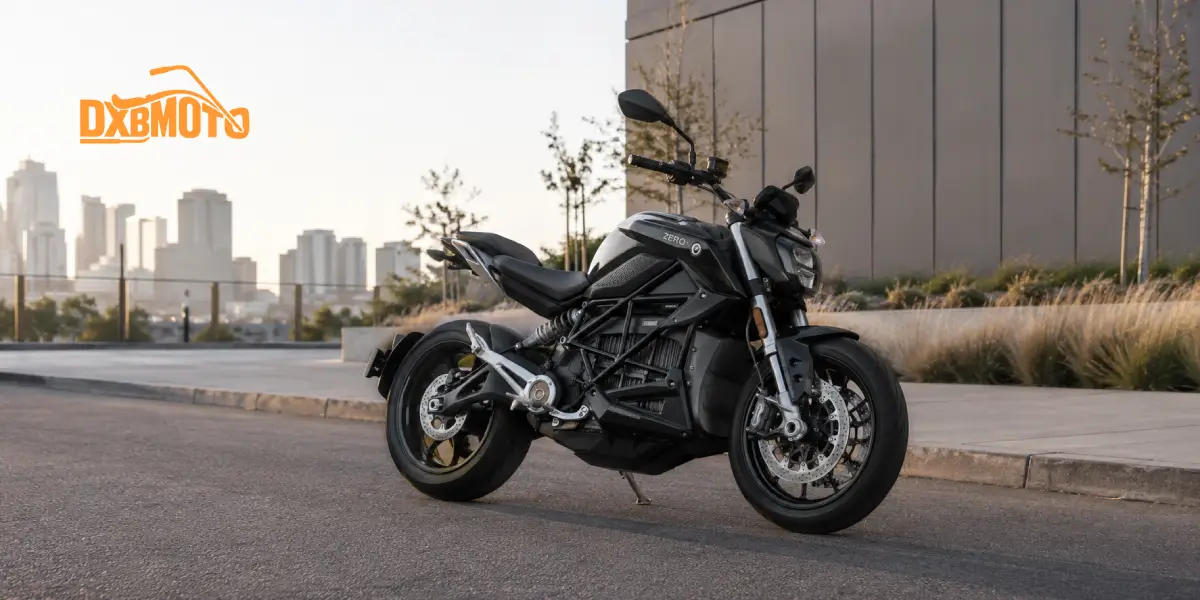
- Best for: Commuting and everyday road riding
- City range: Up to 248 km
- Low-speed highway range: Around 182 km
- High-speed highway range: Around 162 km
- Top speed: 167 km/h
- Peak torque: 132 Nm
- 20–80% Level 2 charging: Around 2.5 hours
- 20–80% with optional 6 kW Rapid Charger: Around 49 minutes
- Seat height: 787 mm
- Weight: 223 kg
- Main strength: Familiar road-bike ergonomics with a useful everyday range
- Main limitation: Heavy during parking and low-speed manoeuvres
Zero’s range figures vary considerably between city and sustained high-speed riding, so the 162 km highway estimate is more relevant than the headline city figure for riders who regularly use motorways.
Can-Am Pulse: Best for Urban Riding
The Can-Am Pulse is designed around city use rather than long-distance touring. Its compact dimensions, low seat, reverse function and enclosed chaincase make daily riding and parking easier, while the liquid-cooled battery and onboard charger help maintain more consistent charging performance. The main compromise is the sharp drop in range during continuous faster riding.
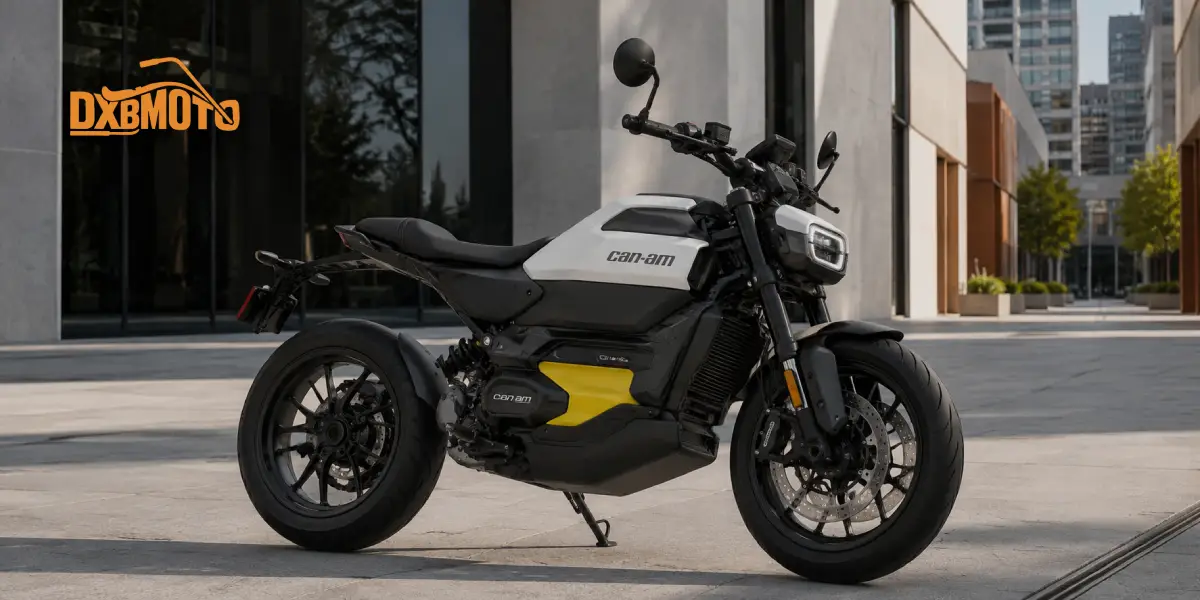
- Best for: Urban commuting and short recreational rides
- City range: Up to 160 km
- Combined range: Around 130 km under the WMTC test cycle
- Range at a sustained 80 km/h: Around 89 km
- Top speed: 129 km/h
- Peak torque: 72 Nm
- 0–100 km/h: 3.8 seconds
- 20–80% Level 2 charging: Around 50 minutes
- Seat height: 784 mm
- Curb weight: 177 kg
- Main strength: Fast Level 2 charging and practical urban handling
- Main limitation: Limited range during sustained high-speed riding
LiveWire S2 Del Mar: Best for Urban Performance
The S2 Del Mar combines the upright control of a street tracker with considerably stronger acceleration than a typical commuter motorcycle. Its 19-inch wheels, adjustable Showa suspension and multiple riding modes suit city streets and winding roads, while assisted reverse makes its 198 kg weight easier to manage when parking.
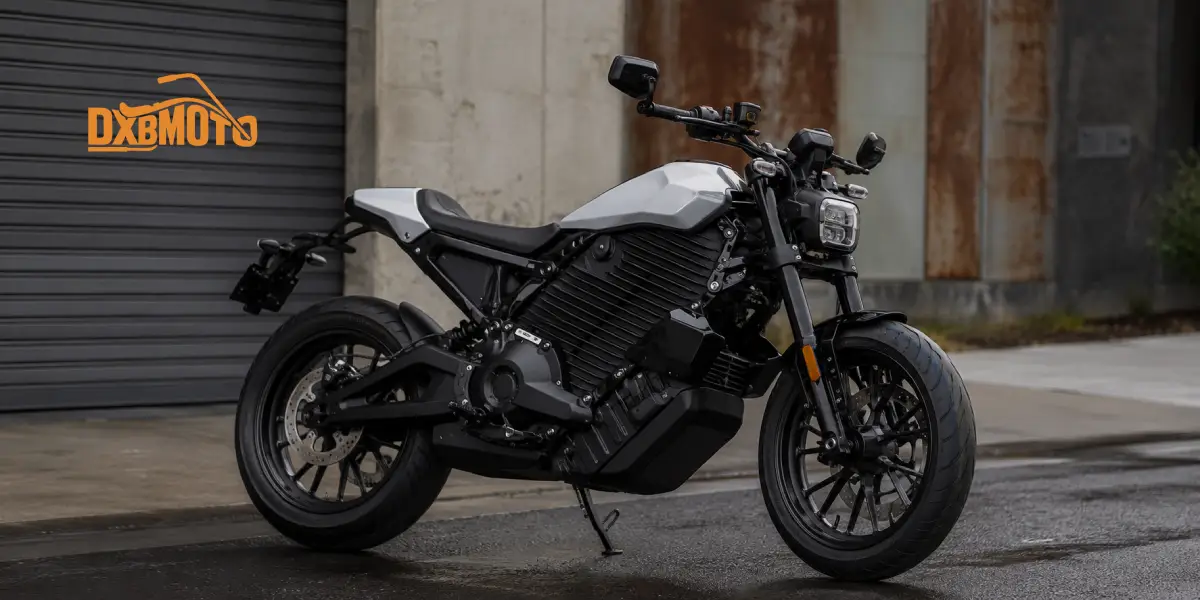
- Best for: Urban riding, short highway journeys, and fast weekend rides
- City range: Up to 181 km
- Highway range at a sustained 88 km/h: Around 112 km
- Top speed: 165 km/h
- Power: 63 kW
- Peak torque: 263 Nm
- 0–60 mph: 3 seconds
- 20–80% Level 2 charging: Around 78 minutes
- Seat height when loaded: 785 mm
- Weight: 198 kg
- Main strength: Strong acceleration with agile street-tracker handling
- Main limitation: Highway range is modest, and charging is limited to Level 1 and Level 2 systems
Energica Experia: Best for Electric Touring
The Energica Experia is built for riders who want longer road journeys rather than short urban commutes. Its upright riding position, wind protection, cruise control, and DC fast-charging support make it one of the few electric motorcycles designed around touring. Its large battery improves usable range, but also makes the Experia one of the heaviest motorcycles on this list.
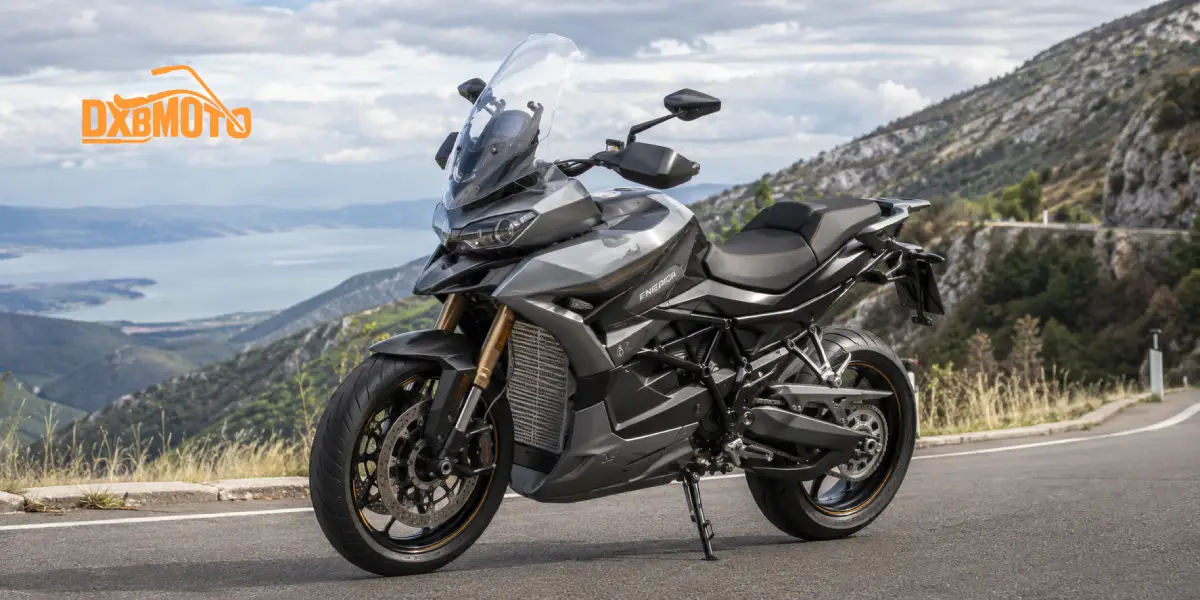
- Best for: Touring, longer road journeys and mixed city-highway use
- City range: Up to 420 km
- Combined range: Around 256 km
- Extra-urban range: Around 208 km
- WMTC range: Around 222 km
- Top speed: 180 km/h
- Peak power: 75 kW / 102 hp
- Peak torque: 115 Nm
- 0–100 km/h: 3.5 seconds
- DC charging: 0–80% in under 40 minutes
- Battery capacity: 22.5 kWh gross
- Seat height: 847 mm
- Weight: 260 kg
- Main strength: Long range with genuine DC fast-charging support
- Main limitation: High weight, particularly during parking and low-speed riding
Zero SR/F: Best for Naked Performance
The Zero SR/F is aimed at experienced riders who want strong acceleration without the committed riding position of a fully faired sportbike. Its upright ergonomics, adjustable Showa suspension and Bosch stability control make it suitable for fast road riding, while the belt drive keeps routine maintenance relatively simple.
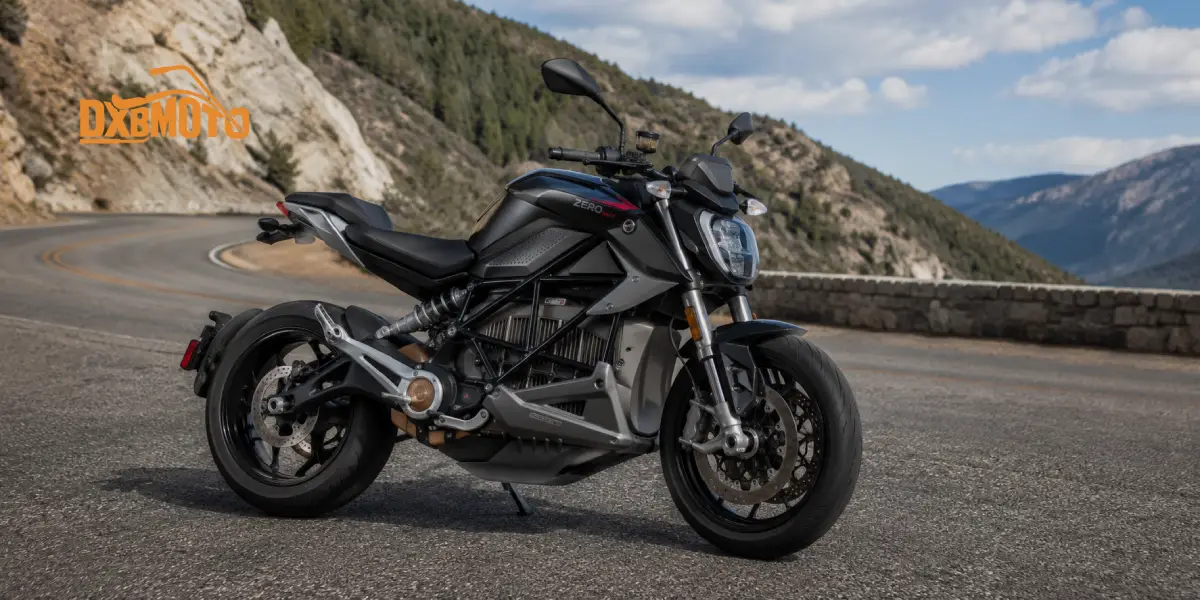
- Best for: Performance-focused road riding
- City range: Up to 283 km
- High-speed highway range: Around 188 km
- Top speed: 200 km/h
- Peak power: 83 kW / 111 hp
- Peak torque: 190 Nm
- 20–80% Level 2 charging: Around 1.4 hours
- 20–80% with optional Rapid Charger: Around 43 minutes
- Seat height: 787 mm
- Weight: 227 kg
- Main strength: Strong performance with comfortable naked-bike ergonomics
- Main limitation: High weight and purchase price compared with petrol naked bikes
Can-Am Origin: Best for Dual-Sport Riding
The Can-Am Origin is built for riders who want one electric motorcycle for paved roads and light off-road use. Its tall stance, long-travel KYB suspension and 21-inch front wheel give it genuine dual-sport ability, while reverse mode helps when moving the bike on uneven ground. The main trade-off is a shorter range than the road-focused Can-Am Pulse.
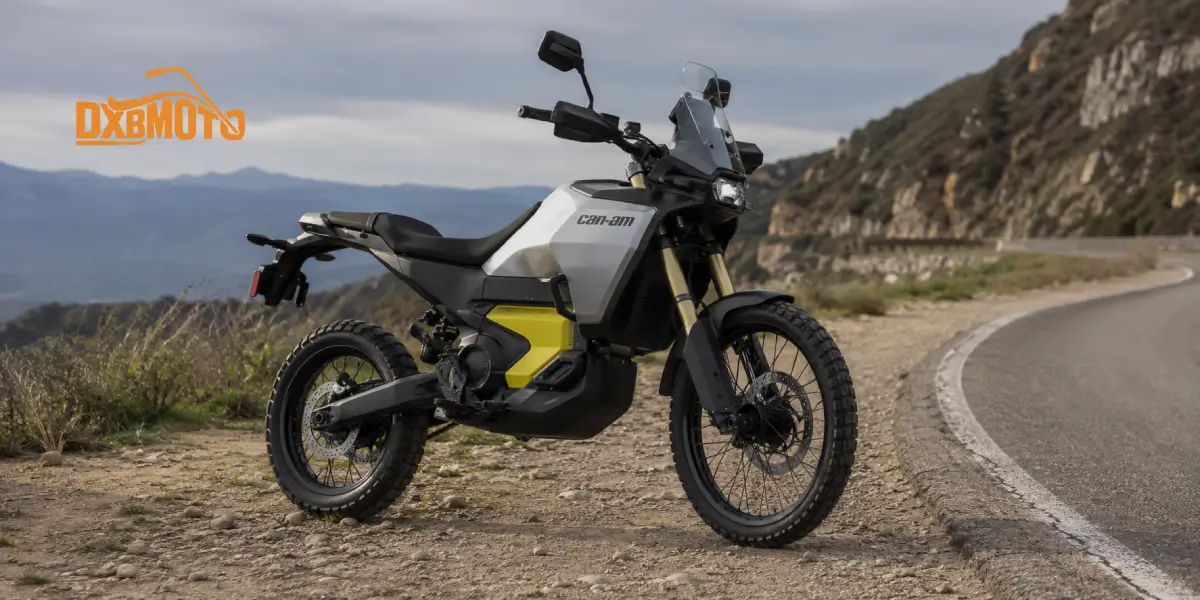
- Best for: Mixed road riding, gravel routes and light trails
- City range: Up to 145 km
- Combined WMTC range: Around 115 km
- Range at a sustained 80 km/h: Around 84 km
- Top speed: 129 km/h
- Peak power: 35 kW / 47 hp
- Peak torque: 72 Nm
- 0–100 km/h: 4.3 seconds
- 20–80% Level 2 charging: Around 50 minutes
- Seat height: 865 mm
- Ground clearance: 274 mm
- Suspension travel: 255 mm front and rear
- Weight: 187 kg
- Main strength: Real on-road and light off-road versatility
- Main limitation: Tall seat and limited range for longer highway journeys
BMW CE 04: Best Electric Maxi-Scooter
The BMW CE 04 prioritises urban practicality over traditional motorcycle styling. Its feet-forward riding position, low centre of gravity, reverse assistance and built-in storage make it particularly useful in heavy traffic and frequent stop-start riding. It is comfortable enough for short highway sections, but its weight and 120 km/h maximum speed make it less suitable for touring.
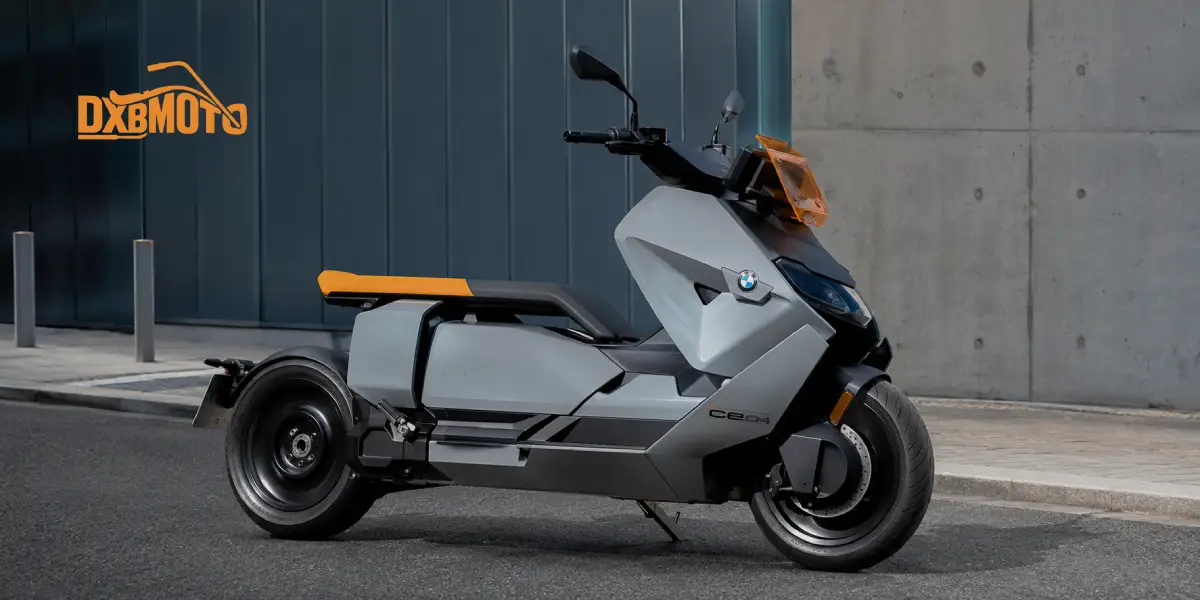
- Best for: City commuting and short highway journeys
- Range: Around 130 km
- Top speed: 120 km/h
- Maximum power: 31 kW / 42 hp
- 0–50 km/h: 2.6 seconds
- 0–80% standard charging: Around 3 hours 30 minutes
- 0–80% optional quick charging: Around 65 minutes
- Charging support: AC only; no DC fast charging
- Seat height: 780 mm
- Kerb weight: 231 kg
- Main strength: Comfortable urban riding with useful storage and premium equipment
- Main limitation: Heavy for a city-focused scooter and limited for longer highway journeys
Zero DSR/X: Best Electric Adventure Motorcycle
The Zero DSR/X combines an upright riding position, adjustable Showa suspension and a 19-inch front wheel for road touring and unpaved routes. Its strong torque makes overtaking easy, while Bosch stability control includes dedicated off-road settings. However, its substantial weight is noticeable on loose or technical terrain.
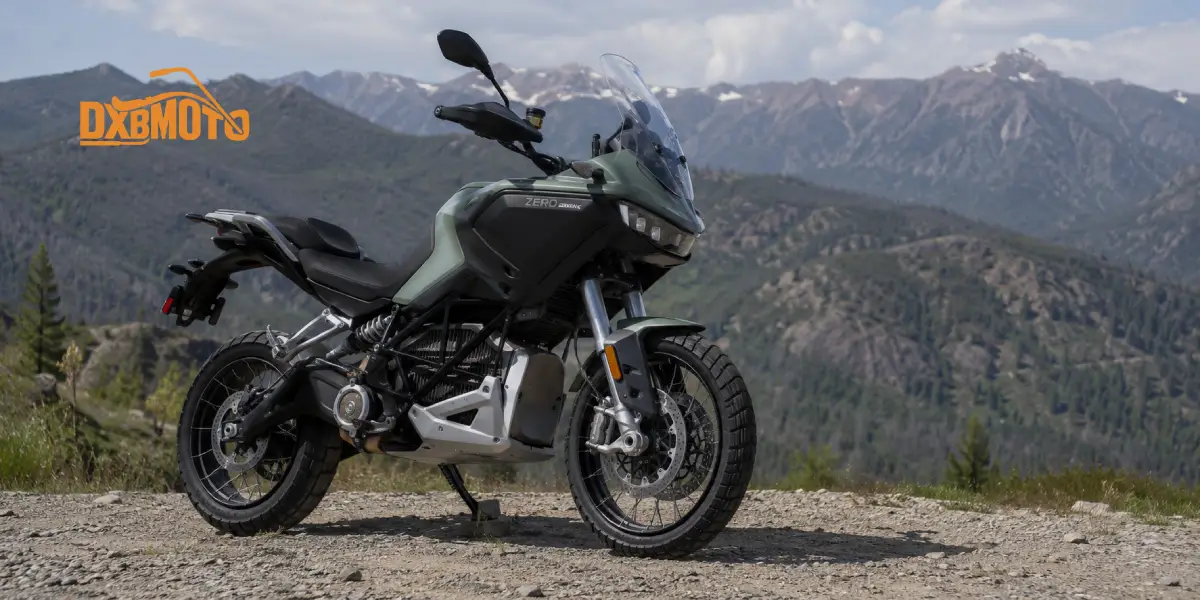
- Best for: Adventure touring, mixed road conditions and maintained trails
- City range: Up to 288 km
- High-speed highway range: Around 172 km
- Top speed: 180 km/h
- Peak power: 75 kW / 100 hp
- Peak torque: 229 Nm
- Charging to 95%: Around 2.2 hours with the standard 6.6 kW charger, or 1.1 hours with the optional Rapid Charger
- Seat height: 828 mm
- Suspension travel: 190 mm front and rear
- Weight: 247 kg
- Main strength: Strong road range with comfortable adventure-bike ergonomics
- Main limitation: Heavy for demanding off-road riding and does not support DC fast charging
Stark VARG EX: Best Electric Enduro Motorcycle
The Stark VARG EX is a road-legal enduro motorcycle built primarily for trails rather than commuting or long highway journeys. Its adjustable power delivery lets riders reduce the output for technical terrain or unlock considerably stronger performance on faster sections. Compared with the heavier adventure motorcycles above, it is much more focused on genuine off-road control.
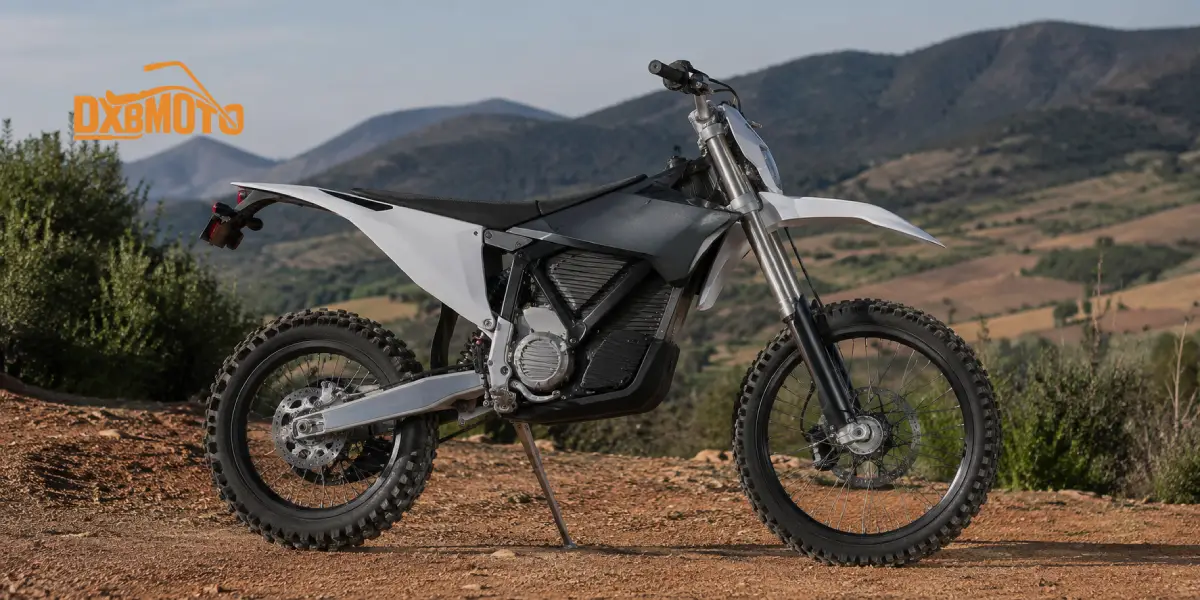
- Best for: Enduro riding, technical trails and off-road training
- Adjustable power: 10–80 hp
- Top speed: 129 km/h
- Maximum motor torque: Up to 90 Nm
- Battery capacity: 7.2 kWh
- Full charging time: Around 2 hours using a 220V supply
- Road status: Road legal, although registration requirements vary by market
- Main strength: Adjustable performance in a lightweight, off-road-focused platform
- Main limitation: Range varies heavily with terrain and riding intensity, making it less predictable for normal road travel
Unlike road-focused electric motorcycles, Stark does not promote the VARG EX around a single kilometre range figure. Trail difficulty, power settings, and riding pace can change the usable riding time significantly.
Ryvid Anthem: Best Lightweight Urban Motorcycle
The Ryvid Anthem is designed for short daily trips rather than long-distance riding. Its removable battery, adjustable seat, and reverse mode make it practical for city use, particularly for riders who cannot charge directly beside their parking space. At around 142 kg, it is also noticeably lighter than most full-size electric motorcycles.
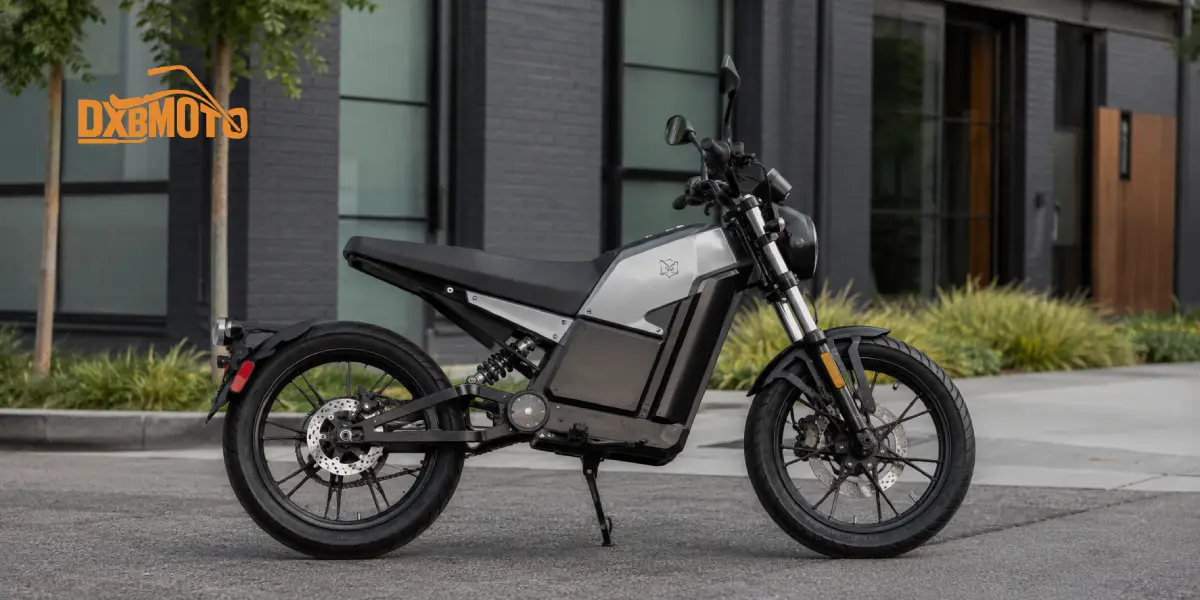
- Best for: City commuting and short everyday journeys
- City range: Up to 120 km
- Combined range: Around 92 km
- Highway range at a steady 89 km/h: Around 74 km
- Top speed: At least 120 km/h
- Battery capacity: 4.3 kWh
- 0–80% Level 2 charging: Around 75 minutes
- 0–80% from a 110V outlet: Around 2.3 hours
- Seat height: Electronically adjustable from 787 to 864 mm
- Weight: Around 142 kg
- Main strength: Lightweight design with a removable battery and adjustable seat
- Main limitation: Limited range for regular highway riding or longer journeys
The battery can be removed and rolled indoors, which is useful for apartment residents or riders without a dedicated charging point beside the motorcycle.
How Far Can Electric Motorcycles Really Travel?
Electric motorcycle range varies far more than petrol-bike range because speed has a major effect on energy use. A model advertised with 250 km of city range may deliver considerably less when ridden continuously on a motorway.
For most buyers, the highway figure is more useful than the headline city range. It shows whether the motorcycle can complete regular faster journeys without forcing the rider to stop and recharge.
What Reduces Electric Motorcycle Range?
- Sustained high speed: Air resistance increases sharply as speed rises.
- Cold or extreme heat: Battery temperature can affect performance and charging.
- Rider and luggage weight: Additional load requires more energy.
- Strong acceleration: Repeated use of full power reduces range.
- Headwinds and hills: Both increase the load on the motor.
- Low tyre pressure: Higher rolling resistance wastes energy.
- Sport riding modes: More aggressive power delivery usually uses more battery.
How Long Does an Electric Motorcycle Take to Charge?
Charging time depends on the motorcycle, battery size, and charger type. Lightweight urban models may recharge in a few hours from a normal outlet, while motorcycles with larger touring batteries can take much longer unless they support faster charging.
For daily riders, charging from 20% to 80% is usually more relevant than a full 0–100% figure. The final part of a charge often slows down to protect the battery, so riders rarely need to wait for 100% during a journey.
Main Charging Options
- Standard household outlet: Convenient for overnight charging but usually the slowest option.
- Level 2 AC charging: The most practical faster-charging option for many current electric motorcycles.
- DC fast charging: Much faster, but only supported by a limited number of motorcycles.
- Removable battery charging: Useful for lightweight motorcycles when the rider cannot park beside a power outlet.
What Buyers Should Check
- 20–80% charging time: More useful than the full-charge figure for everyday use.
- Connector type: A nearby charging station may not be compatible with the motorcycle.
- Onboard charger capacity: A powerful public charger cannot charge the bike faster than its onboard system allows.
- Home charging access: Regular overnight charging is often more important than public charging availability.
- Battery cooling: Charging may slow down when the battery becomes too hot.
- Optional charging equipment: Some manufacturers quote their fastest times using an upgrade that is not included as standard.
Motorcycles such as the Energica Experia are better suited to longer journeys because they support DC fast charging. Most models from Zero, LiveWire, and Can-Am rely primarily on AC charging, which works well for commuting but requires more planning during longer rides.
Electric vs Petrol Motorcycles
Electric motorcycles feel easier and smoother in daily use, but petrol motorcycles still offer greater flexibility for long journeys. The better option depends less on outright performance and more on charging access, typical riding distance, and how quickly the rider needs to get back on the road.
Electric vs Petrol Motorcycles
Electric motorcycles are smoother and easier for predictable daily riding, while petrol motorcycles remain more convenient for long journeys, fast refuelling and wider service access.
| Factor | Electric Motorcycle | Petrol Motorcycle |
|---|---|---|
| Power delivery | Immediate torque from low speed | Power builds with engine speed |
| Transmission | Usually single-speed with no clutch | Usually a manual gearbox and clutch |
| Daily commuting | Smooth, quiet and easy in traffic | More heat, vibration and gear changes |
| Long-distance riding | Requires range and charging planning | Easier due to quick fuel stops |
| Charging or refuelling | Usually takes 40 minutes to several hours | Usually completed within minutes |
| Routine maintenance | Fewer engine-related service items | Requires oil, filters and engine servicing |
| Weight | Large batteries can make the bike heavy | Depends on engine size and fuel capacity |
| Noise and vibration | Minimal | More mechanical sound and vibration |
| Service availability | More dependent on specialist brand support | Wider repair and parts network |
| Purchase price | Often higher than a similar petrol motorcycle | More options across different budgets |
Electric motorcycles make the most sense for predictable daily riding and regular charging. Petrol motorcycles remain more practical for touring, remote routes, and riders who cannot reliably charge at home or work.
Are Electric Motorcycles Practical in Dubai?
Electric motorcycles can work well in Dubai when they are used for predictable daily journeys and charged regularly at home or work. They are less practical for riders who frequently cover long highway distances or depend entirely on public charging. So you can consider them while looking for a motorcycle for sale in Dubai.
For most Dubai riders, reliable home or workplace charging is more valuable than simply living near a public station. Public charging is better treated as a backup unless the motorcycle’s compatibility and access have already been confirmed.
How Does Dubai Heat Affect Electric Motorcycles?
Dubai’s heat does not make electric motorcycles impractical, but it makes battery cooling and parking conditions more important. High ambient and vehicle temperatures can slow charging, while motorcycles with active thermal management are better equipped to maintain consistent performance during summer use. LiveWire, for example, states that charging speed can vary with ambient and vehicle temperature.
What Riders Should Check
- Battery cooling: Confirm whether the battery is air-cooled or liquid-cooled.
- Charger cooling: The onboard charger also produces heat and may limit its output when temperatures rise.
- Shaded parking: Covered parking reduces the time the motorcycle spends heating under direct sunlight.
- Charging behavior: Check the manufacturer’s guidance before charging immediately after a fast or demanding ride.
- Warning messages: Do not ignore battery-temperature or reduced-power alerts.
- Used-bike history: A diagnostic battery report is especially important for motorcycles previously stored outdoors for long periods.
Buyers in Dubai should therefore look beyond the advertised range. A motorcycle with effective thermal management and reliable local diagnostic support may be a safer long-term choice than a model offering a slightly larger battery but limited cooling or after-sales support.
Electric Motorcycle License and Registration in Dubai
A full-size, road-going electric motorcycle is treated as a motor vehicle in Dubai, not as an e-scooter. It must be eligible for registration, carry number plates, have valid insurance, and be ridden with the appropriate motorcycle license. UAE rules do not allow an unregistered vehicle to be used on public roads.
What Buyers Need to Confirm
- Motorcycle license: The absence of gears or a petrol engine does not remove the license requirement. RTA lists 17 as the minimum age for obtaining a motorcycle learning permit.
- Road-legal status: Motocross, enduro, and lightweight e-moto models may not automatically qualify for public-road registration.
- Vehicle registration: A registerable motorcycle receives an ownership certificate and number plates through the RTA.
- Insurance: A valid policy from an authorized insurer is required as part of the registration process.
- Technical inspection: RTA may require an inspection when the motorcycle has not already been approved or inspected.
- Customs documents: Imported motorcycles generally require an electronic customs certificate and proof of purchase.
- Gulf conformity: RTA may request proof that the motorcycle complies with Gulf specifications when this is not recorded on its customs card.
The free RTA electric-scooter permit should not be confused with a motorcycle license. That permit applies to e-scooters used in approved areas; it does not replace the license and registration requirements for a full-size electric motorcycle.
Before paying for an imported or uncommon electric motorcycle, ask the seller to confirm in writing that the model can be registered in Dubai. Riders can review the complete process in the DXB Moto guide to obtaining a motorcycle licence in Dubai and then check the available coverage options in its guide to motorcycle insurance in Dubai.
Final Thoughts
Electric motorcycles are now practical alternatives for commuting, urban riding, performance, and even adventure use. Their strongest advantages are instant torque, lower routine maintenance, and convenient home charging.
They are not yet the best choice for every rider. Highway range, charging access, purchase price, and local service support still matter. Choose the model that matches your real daily distance and riding style rather than the one with the highest claimed range or power.
Electric Motorcycle FAQ
What is the best electric motorcycle?
There is no single best model for every rider. The Zero S suits everyday road use, the Can-Am Pulse works well in cities, the Energica Experia is designed for touring, and the Stark VARG EX is better for serious off-road riding.
How far can an electric motorcycle travel?
Current electric motorcycles can offer roughly 70 km to more than 250 km of realistic range, depending on the battery, riding speed, weather and route. City range is normally much higher than range at sustained highway speeds.
How long does an electric motorcycle take to charge?
Charging can take from under one hour to several hours. Motorcycles supporting DC fast charging are generally quickest, while models charged from a standard household outlet may require overnight charging.
Are electric motorcycles faster than petrol motorcycles?
Many electric motorcycles accelerate faster than similarly powered petrol motorcycles because torque is available immediately. Petrol motorcycles usually remain more practical for sustained high-speed riding and long-distance travel.
Are electric motorcycles good for beginners?
Lower-powered electric motorcycles can suit beginners because they normally have no clutch or manual gearbox. However, powerful models may have aggressive acceleration and substantial weight, so not every electric motorcycle is beginner-friendly.
Are electric motorcycles cheaper to maintain?
Routine maintenance is generally lower because electric motorcycles do not require engine oil, spark plugs, valve adjustments, clutch servicing or exhaust repairs. Tyres, brakes, suspension, drive components and cooling systems still require maintenance.
How long does an electric motorcycle battery last?
Battery lifespan depends on temperature, charging habits, mileage and battery management. Capacity normally decreases gradually rather than failing suddenly. Buyers should compare warranty duration and retained-capacity terms.
Can electric motorcycles be used on highways?
Road-legal electric motorcycles can be used on highways when they can maintain the required speed. Highway riding consumes significantly more energy, so riders should plan journeys using highway-range figures rather than advertised city range.
Are electric motorcycles practical in Dubai?
Electric motorcycles can be practical in Dubai for commuting and predictable daily journeys when home or workplace charging is available. They are less convenient for frequent long highway trips or riders who rely entirely on public charging.
Do electric motorcycles need a licence in Dubai?
Full-size road-going electric motorcycles require an appropriate motorcycle licence, registration, number plates and insurance in Dubai. An electric-scooter permit does not replace a motorcycle licence.
DXB Moto Team combines technical content writing experience with practical knowledge of motorcycle parts, fitment checks and rider needs. The team focuses on clear buying guides, spare-parts references, maintenance topics and real-world motorcycle use in Dubai and across the UAE.