

Blog
Yamaha R1 Review in Dubai, Worth It or Too Much?
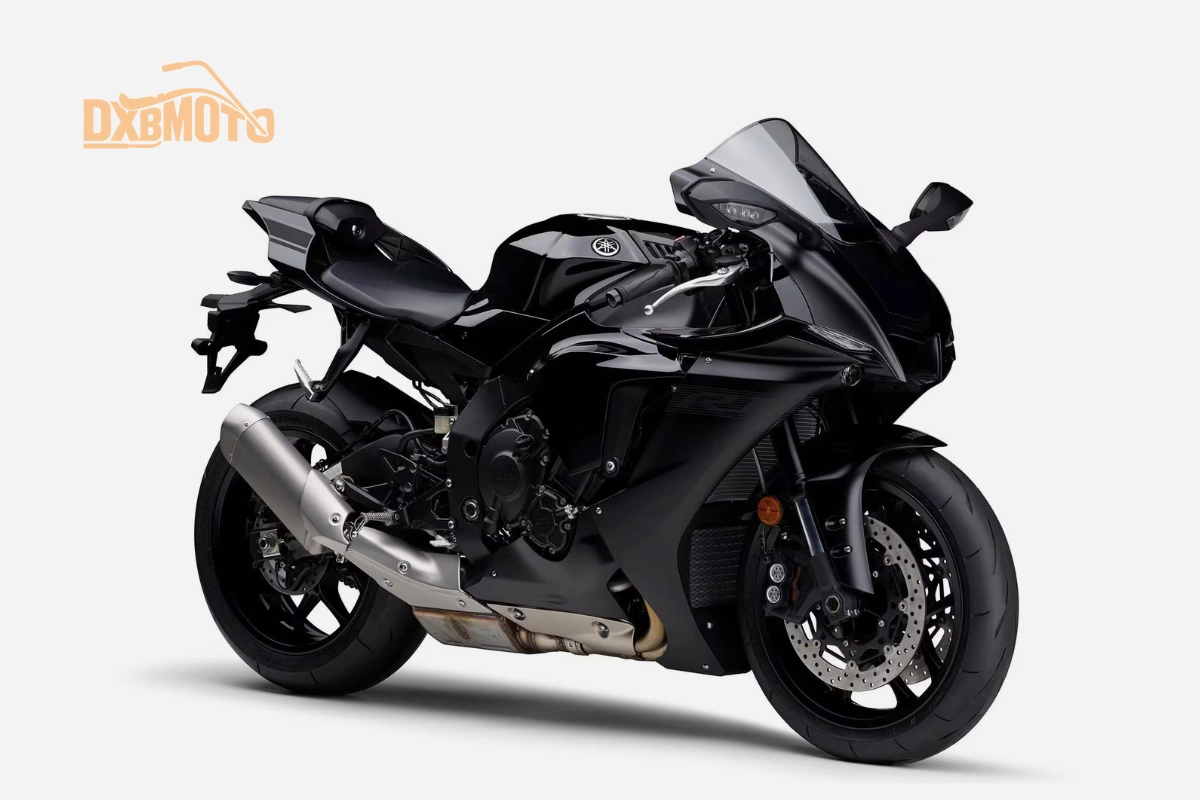
The Yamaha YZF-R1 sits in a strange position in Dubai. On paper, it’s a full-on superbike built for track performance. In reality, most of them spend their lives on city roads, short highway bursts, and late-night rides when traffic finally clears.
That mismatch matters more here than in other cities. Dubai gives you moments where a bike like this feels completely alive, but it also forces you into situations where it feels out of place. The R1 doesn’t try to adapt. It stays aggressive, regardless of where you ride it.
Dubai Market Reality and Price Behavior
Typical Yamaha R1 price ranges in the UAE based on model year.
| Model Year | Typical Price Range (AED) |
|---|---|
| 2015 – 2017 | 45,000 – 65,000 AED |
| 2018 – 2020 | 65,000 – 85,000 AED |
| 2021 – 2023 | 85,000 – 110,000 AED |
| 2024+ | 110,000 – 140,000+ AED |
The price gap usually comes down to condition more than anything else. Mileage matters, but usage matters more. A clean, carefully ridden bike will always sit higher in the market than one that has seen frequent aggressive riding or track use.
Another thing worth noting is liquidity. R1s do sell, but not instantly. Buyers in this segment tend to be more selective, and they pay close attention to maintenance history.
Riding experience on Dubai roads
fully understand just by browsing listings or seeing a motorcycle for sale in Dubai online. The real difference shows up once you’re actually on the road.
Out on open stretches like Sheikh Zayed Road late at night, everything starts to make sense. The throttle feels alive, acceleration comes in instantly, and the engine pulls in a way that feels both aggressive and controlled at the same time. The bike stays stable even as speeds climb, and the feedback through the bars feels sharp enough that you always know what’s happening underneath you.
Put that same bike into traffic around Jumeirah or Downtown during peak hours, and it turns into a completely different experience. The riding position starts to put weight on your wrists, heat builds up around the engine, and working the clutch over and over becomes tiring quicker than you expect. It doesn’t really adapt itself to slow, stop-start riding.
That contrast is what defines the R1 in Dubai. In the right moment, it feels incredibly dialed in. In the wrong one, it can feel like too much to deal with.
What it feels like beyond the numbers
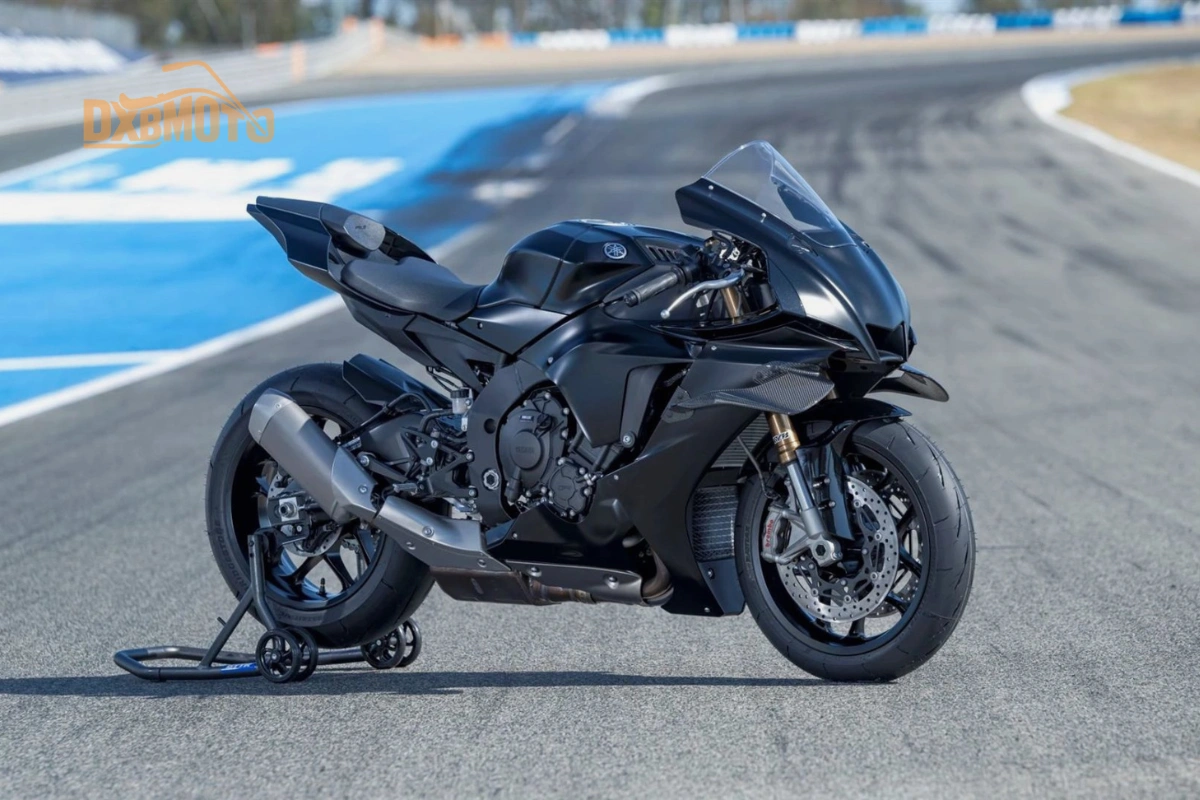
Looking at specs alone doesn’t explain the experience. The R1 has a very distinct personality on the road.
Throttle response is direct, almost immediate. Small inputs translate into noticeable changes, which keeps the ride engaging but demands attention. The front end feels light under acceleration, even when you are not pushing aggressively. That adds to the sense of speed, but it also means the bike expects you to stay focused.
The crossplane engine gives it a unique sound and power delivery. It doesn’t feel like a typical inline-four. There is more character in how the power builds, especially in mid-range acceleration, which is one of the reasons many riders searching for a Yamaha motorcycle for sale specifically look toward the R1 instead of more predictable superbikes in the same category.
It is not a forgiving bike. It rewards smooth inputs and punishes careless ones. The chassis feels precise, the braking response is sharp, and overall feedback from the bike is extremely direct. For experienced riders, that creates a strong connection between rider and machine. For newer riders, it can feel intimidating very quickly.
Ownership and maintenance costs in Dubai
Owning an R1 is manageable, but it is not cheap. The running costs depend heavily on how you ride it.
Estimated Yearly Costs
Running a Yamaha R1 in Dubai is not outrageous, but it is not cheap either. The main costs usually come from regular service, tires, wear items, and insurance.
Routine Service
2,000 – 4,000 AED
Oil service, filters, inspections, and the usual maintenance items that keep the bike running properly through daily use and hotter months.
Tires
2,500 – 4,000 AED
Tire costs depend heavily on riding style. Faster highway runs and harder acceleration will wear them down much sooner than relaxed riding.
Brake Components
1,000 – 2,000 AED
Pads and other brake wear items are not constant expenses, but they should be expected if the bike is used regularly or ridden hard.
Insurance
2,500 – 5,000 AED
Premiums usually depend on rider profile, model year, bike value, and coverage level. Newer models tend to sit at the upper end.
Tires are usually the biggest variable. Aggressive riding shortens their lifespan significantly, especially in warmer months when road temperatures are higher.
Parts availability in Dubai is generally good, which helps keep downtime low. Still, unexpected repairs can get expensive quickly if something goes wrong.
Depreciation and resale behavior
The R1 holds its value reasonably well, but it is not immune to depreciation.
- First year: around 10 to 15 percent drop
- After three years: roughly 25 to 35 percent
- After five years: value depends heavily on condition and history
Buyers in this segment look closely at originality. Bikes with excessive modifications or unclear service records tend to lose value faster. Clean examples with documented maintenance remain easier to sell.
How It Compares to Its Main Rivals
A clearer look at where the Yamaha R1 stands when placed next to its closest competitors in the Dubai market.
| Bike | Power | City Comfort | Dubai Suitability | Value |
|---|---|---|---|---|
| Yamaha YZF-R1 | Very High | Low | Medium | High |
| BMW S1000RR | Very High | Medium | High | High |
| Ducati Panigale V4 | Very High | Low | Medium | Medium |
| Kawasaki Ninja ZX-10R | High | Medium | High | High |
| Feature | R1 | S1000RR | Panigale V4 | ZX-10R |
|---|---|---|---|---|
| Quickshifter | Yes | Yes | Yes | Yes |
| Electronics | Advanced | Very Advanced | Advanced | Good |
| Riding Modes | Full | Extensive | Extensive | Full |
| Comfort | Low | Medium | Low | Medium |
| Daily Use | Limited | Moderate | Limited | Moderate |
Who the R1 actually suits
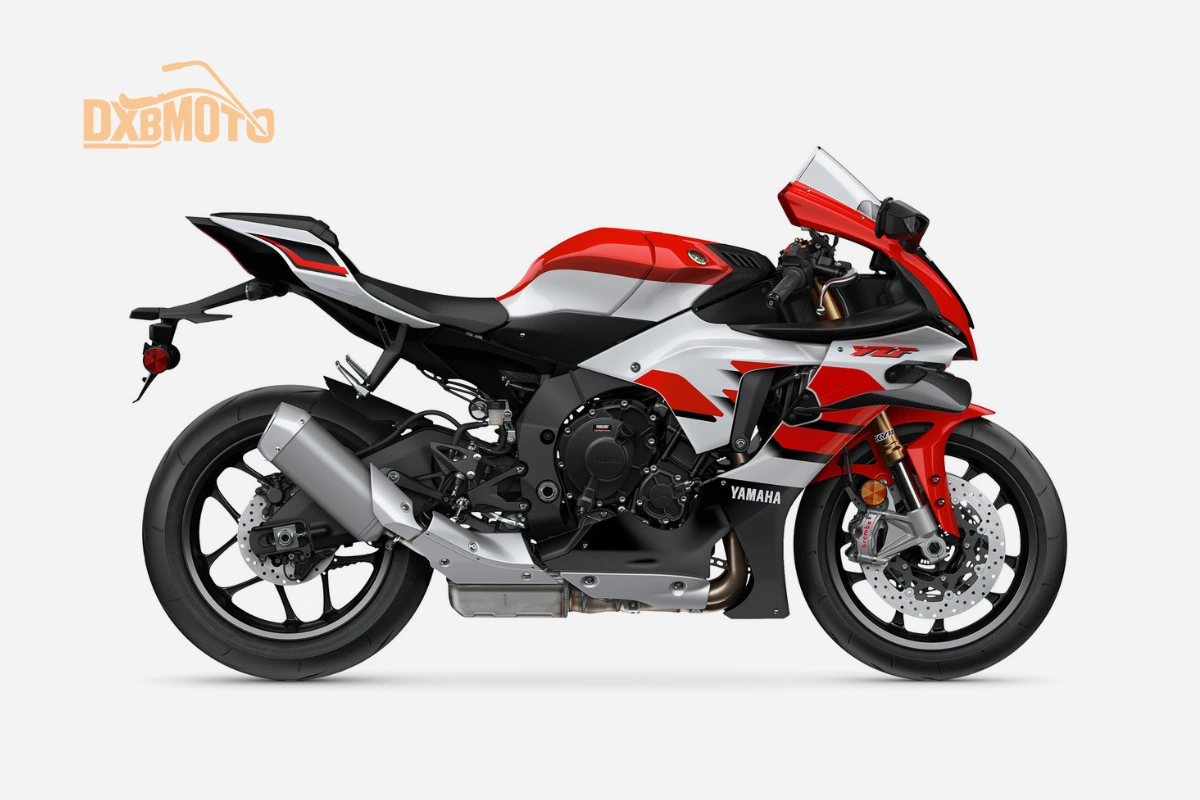
The R1 works best for riders who are not relying on it for daily commuting. It suits those who ride at specific times, usually when traffic is lighter, and who value the experience of riding over practicality.
It also fits riders who are comfortable managing a high-performance machine. The bike expects a certain level of control and awareness. It does not simplify the ride.
Final take worth it or too much?
The R1 is not built to be convenient. It is built to deliver a very specific kind of riding experience.
In the right conditions, it feels sharp, fast, and deeply engaging. In the wrong conditions, it can feel demanding and uncomfortable.
Whether it makes sense depends entirely on how it will be used. For occasional rides and open roads, it delivers exactly what it promises. For daily city use, it asks for compromises that not everyone is willing to make.

DXB Moto Team combines technical content writing experience with practical knowledge of motorcycle parts, fitment checks and rider needs. The team focuses on clear buying guides, spare-parts references, maintenance topics and real-world motorcycle use in Dubai and across the UAE.